Amazing Algorithms

For Solving Problems in Software


Barry S. Stahl

Principal Engineer - AZNerds.net

@bsstahl@cognitiveinheritance.com

https://CognitiveInheritance.com

Transparent Half Width Image 800x800.png

Favorite Physicists & Mathematicians

Favorite Physicists

  1. Harold "Hal" Stahl
  2. Carl Sagan
  3. Richard Feynman
  4. Marie Curie
  5. Nikola Tesla
  6. Albert Einstein
  7. Neil Degrasse Tyson
  8. Niels Bohr
  9. Galileo Galilei
  10. Michael Faraday

Other notables: Stephen Hawking, Edwin Hubble, Leonard Susskind, Christiaan Huygens

Favorite Mathematicians

  1. Ada Lovelace
  2. Alan Turing
  3. Johannes Kepler
  4. Rene Descartes
  5. Isaac Newton
  6. Emmy Noether
  7. George Boole
  8. Blaise Pascal
  9. Johann Gauss
  10. Grace Hopper

Other notables: Daphne Koller, Grady Booch, Leonardo Fibonacci, Evelyn Berezin, Benoit Mandelbrot

Fediverse Supporter

Logos.png

Some OSS Projects I Run

  1. Liquid Victor : Media tracking and aggregation [used to assemble this presentation]
  2. Prehensile Pony-Tail : A static site generator built in c#
  3. TestHelperExtensions : A set of extension methods helpful when building unit tests
  4. Conference Scheduler : A conference schedule optimizer
  5. IntentBot : A microservices framework for creating conversational bots on top of Bot Framework
  6. LiquidNun : Library of abstractions and implementations for loosely-coupled applications
  7. Toastmasters Agenda : A c# library and website for generating agenda's for Toastmasters meetings
  8. ProtoBuf Data Mapper : A c# library for mapping and transforming ProtoBuf messages

http://GiveCamp.org
GiveCamp.png

Achievement Unlocked

bss-100-achievement-unlocked-1024x250.png

Agenda

  • 08:00 - 08:15 : Intro and Modeling
  • 08:15 - 08:45 : Dynamic Programming
  • 08:45 - 09:15 : Genetic Algorithms
  • 09:15 - 09:45 : K-Means Clustering
  • 09:45 - 10:00 : Break
  • 10:00 - 10:15 : Clustering Wrap-up
  • 10:15 - 10:45 : Best-Path Algorithms
  • 10:45 - 11:15 : Cost-Minimization Algorithms
  • 11:15 - 11:45 : Training Neural Networks
  • 11:45 - 12:00 : Q&A and Wrap-up
  • Bonus (if time allows) : LP & MIP

Simulates A Rational Actor

Attempts to make the best possible decision​ based on the model and the data

  • Model - Our description of the problem
  • Data - Our understanding of the state of the domain
A Rational Actor 800x800.jpeg

Models are the Blueprint

The success of a problem-solving algorithm is often determined before the algorithm even runs -- by how the problem is modeled

Models are the Blueprint 800x800.jpg

Modeling

  • Modeling defines the problem space
    • What’s included & what’s ignored
    • Poor models lead to irrelevant solutions
  • Modeling shapes the solution strategy
    • Logical models » OOP or Rules Engines
    • Graph models » traversal algorithms
    • Constraint models » LP or MIP
    • Probabilistic models » Neural/Bayesian Networks
  • Modeling can determine tractability
    • Some formulations make problems NP-hard
    • Others reveal polynomial-time solutions
    • Examples
      • Conference Scheduling with LP vs MIP
      • Traveling Salesman with OOP

Workshop Goals

  • Describe these algorithms
    • Show models that work well with each type of problem
    • Describe sample implementations for your use
    • Provide intuition as to why they work as they do
Models and Algorithms 800x800.jpg

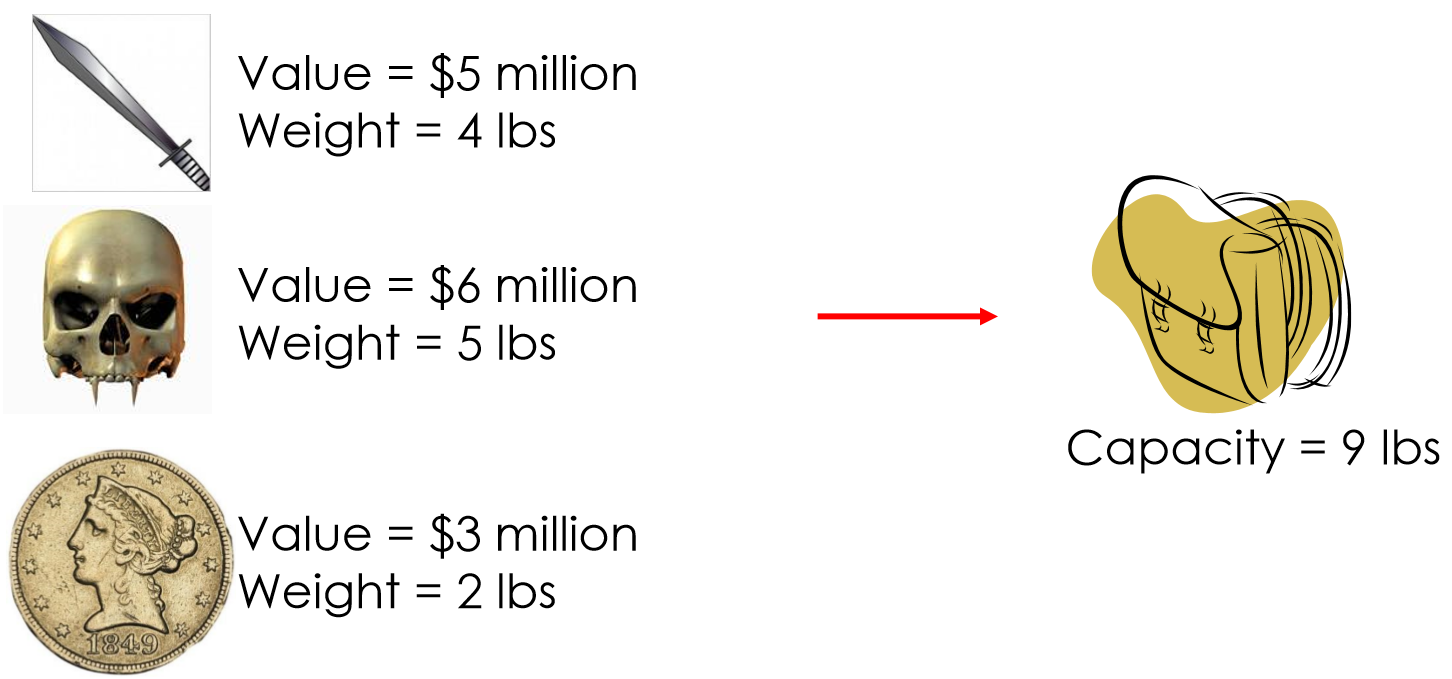
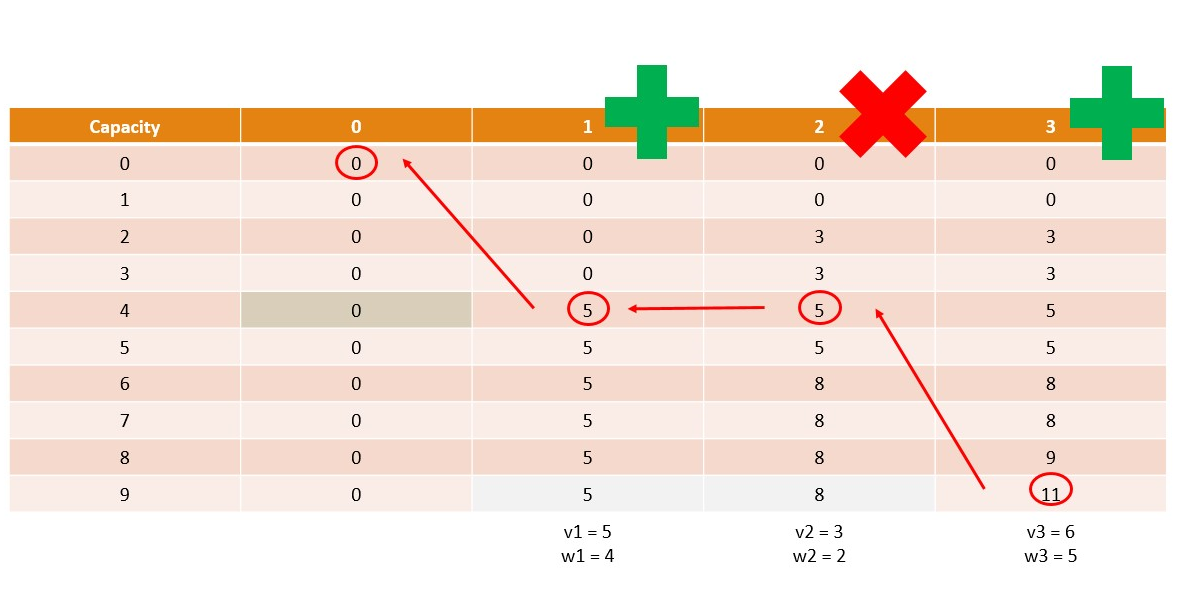
Knapsack Problems

  • A family of combinatorial optimization problems
  • Goal
    • Select a subset of items from a larger set
    • Without exceeding resource constraints
    • Such that total value is maximized
Knapsack 800x800.jpeg

Memoization

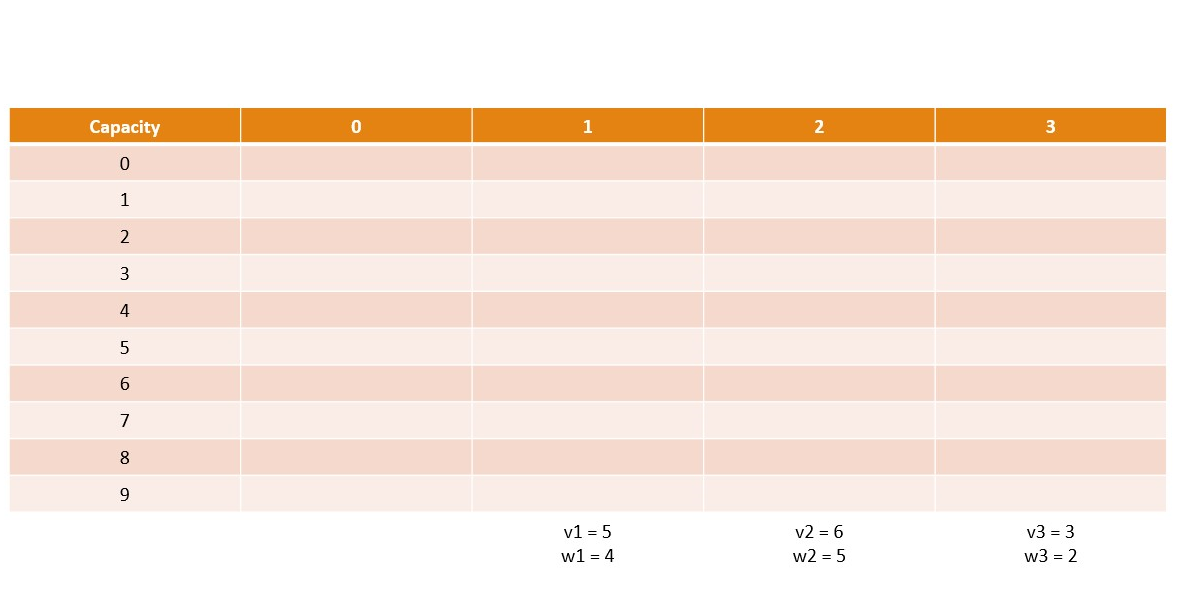
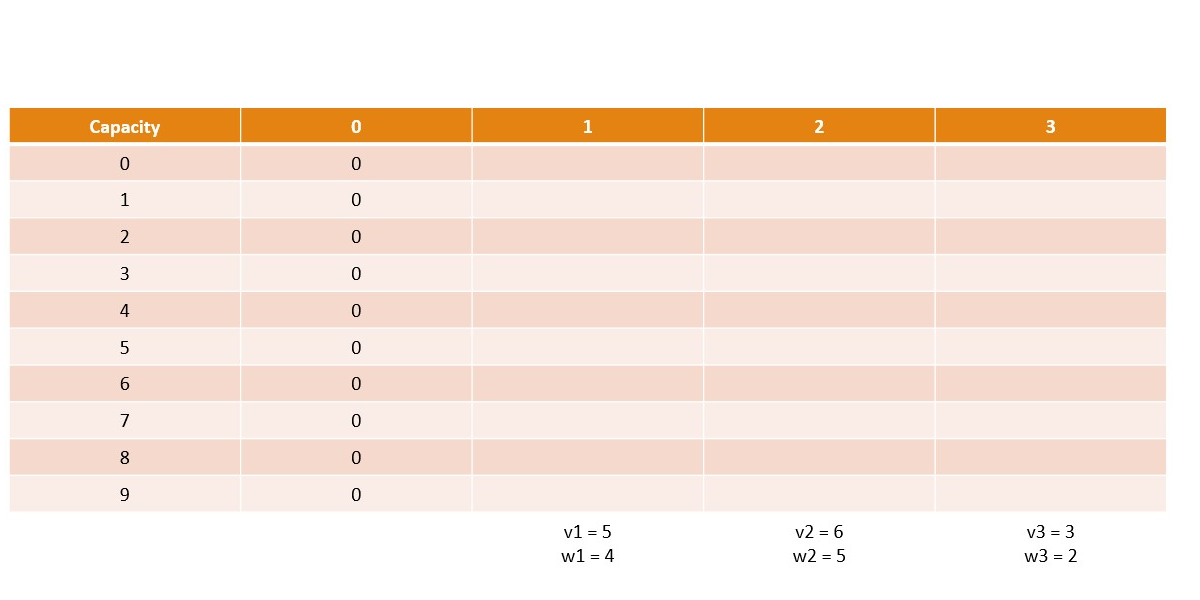
Store the results of function calls for reuse when the same inputs occur again

  • Goal: Compute the nth Fibonacci number
    • F(n) = F(n-1) + F(n-2)
  • Naïve Recursion
    • Recomputes each subproblem multiple times
    • O(2n) Problem - Exponential time
  • With Memoization
    • Store results of F(k)
    • Reuse stored values
    • O(n) Problem - Linear Time
Memoization 800x800.jpeg

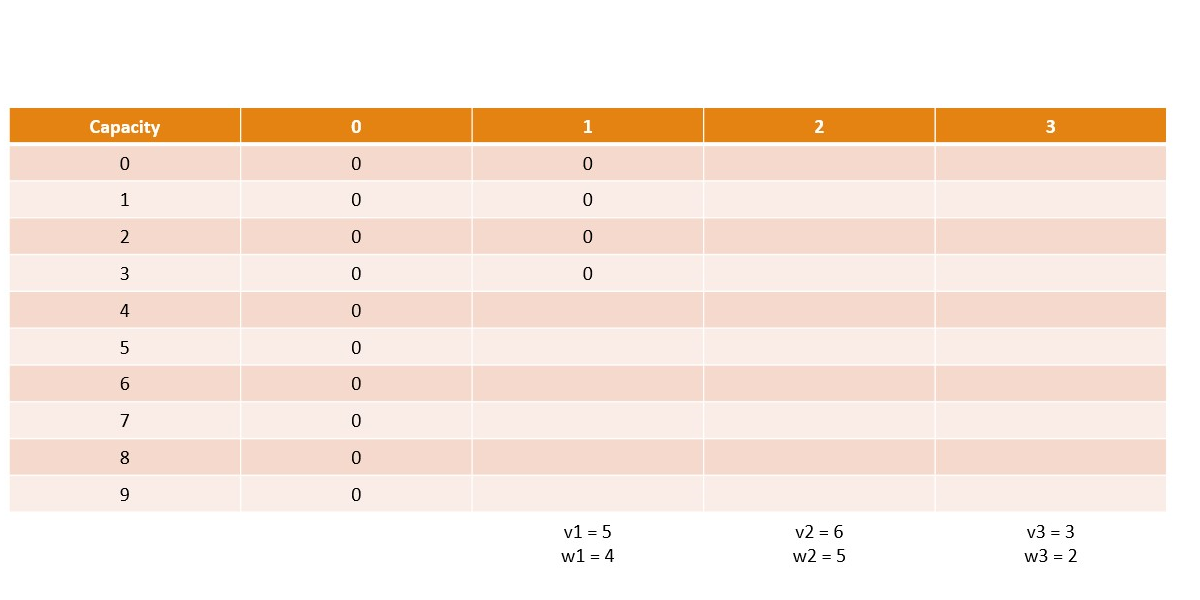
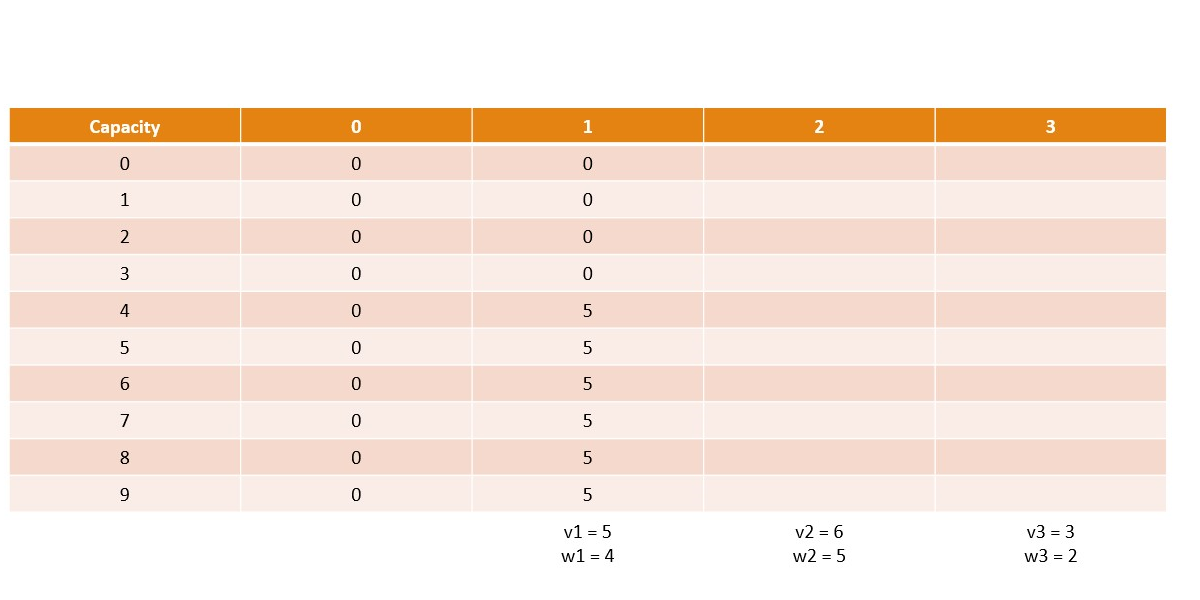
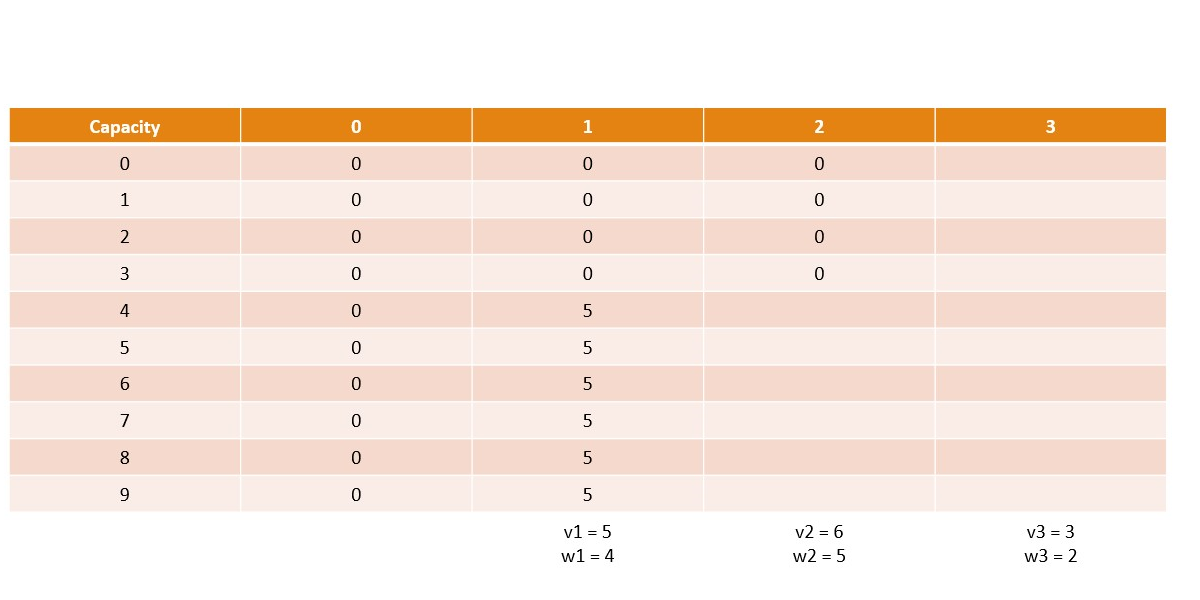
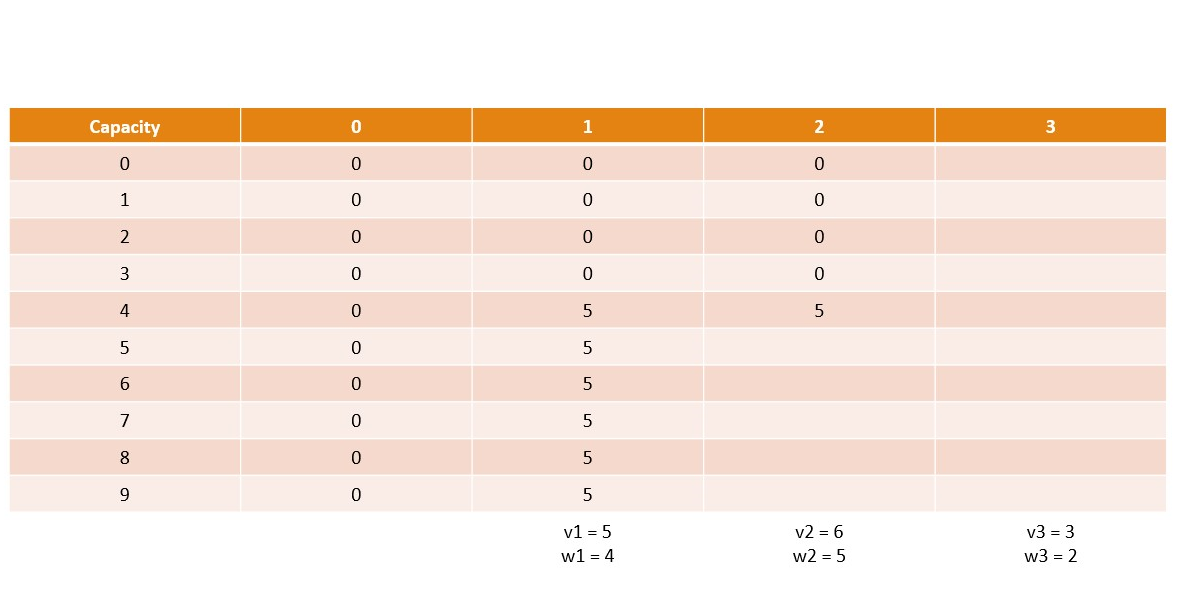
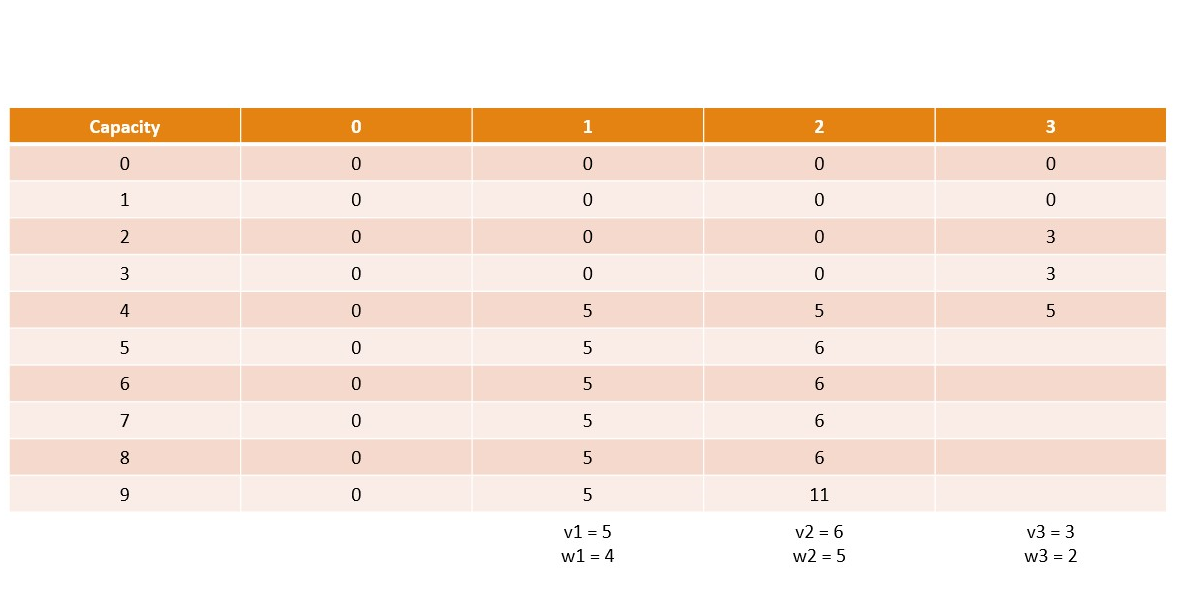
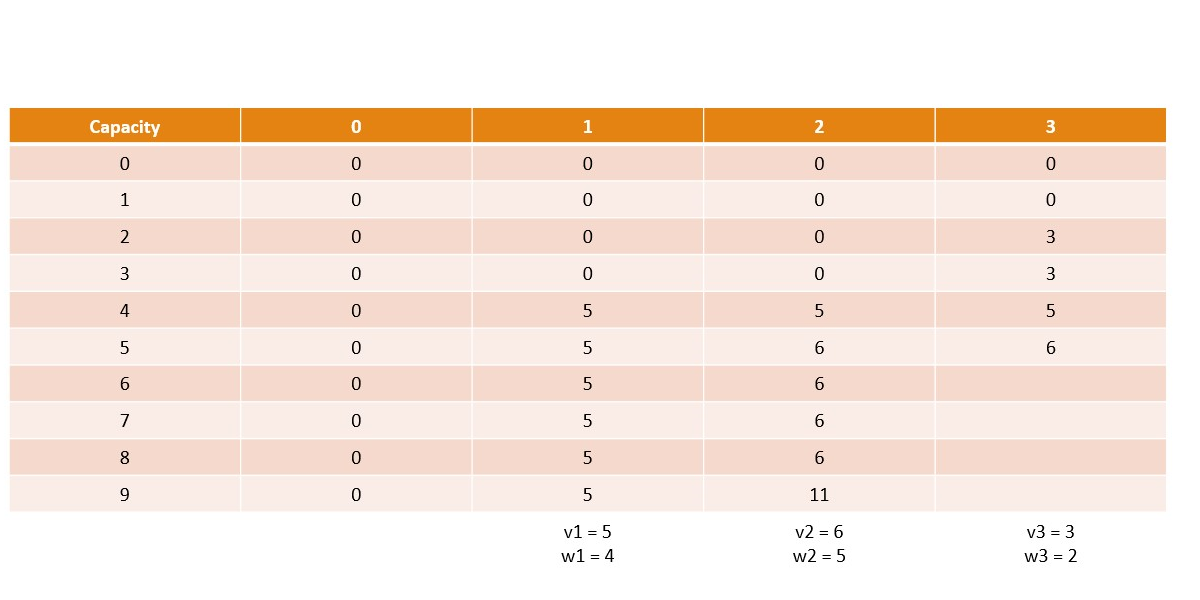
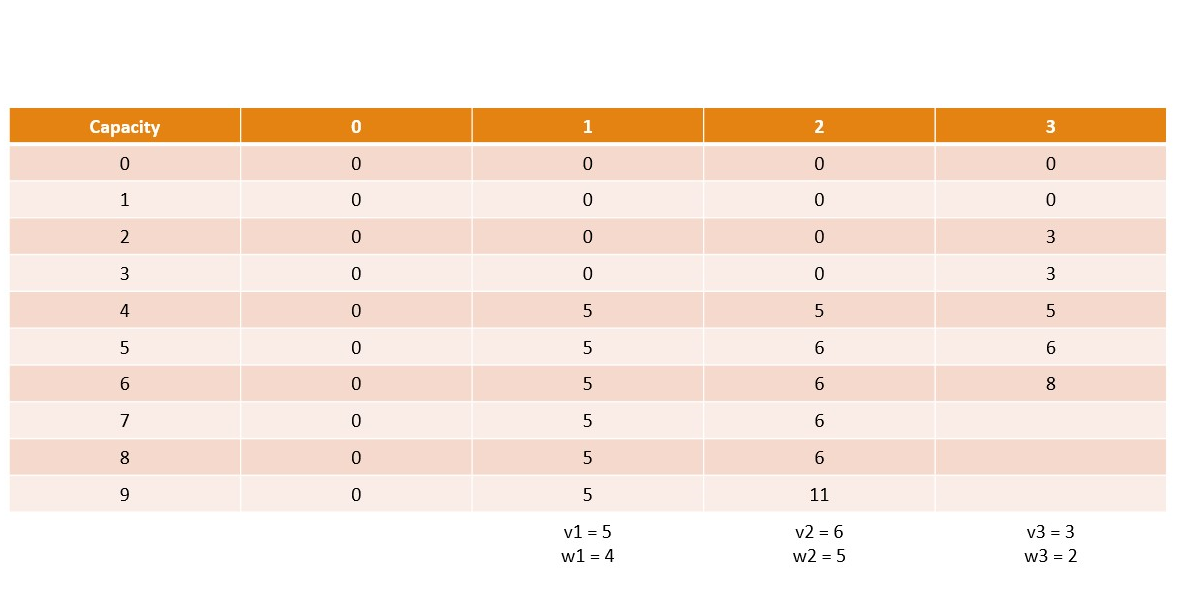
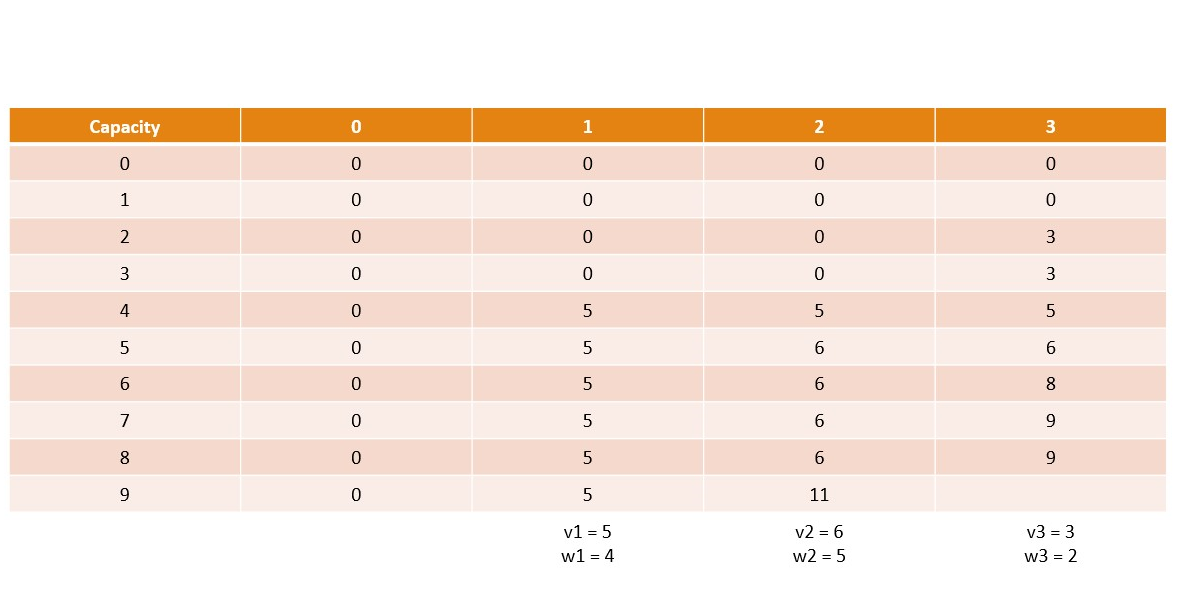
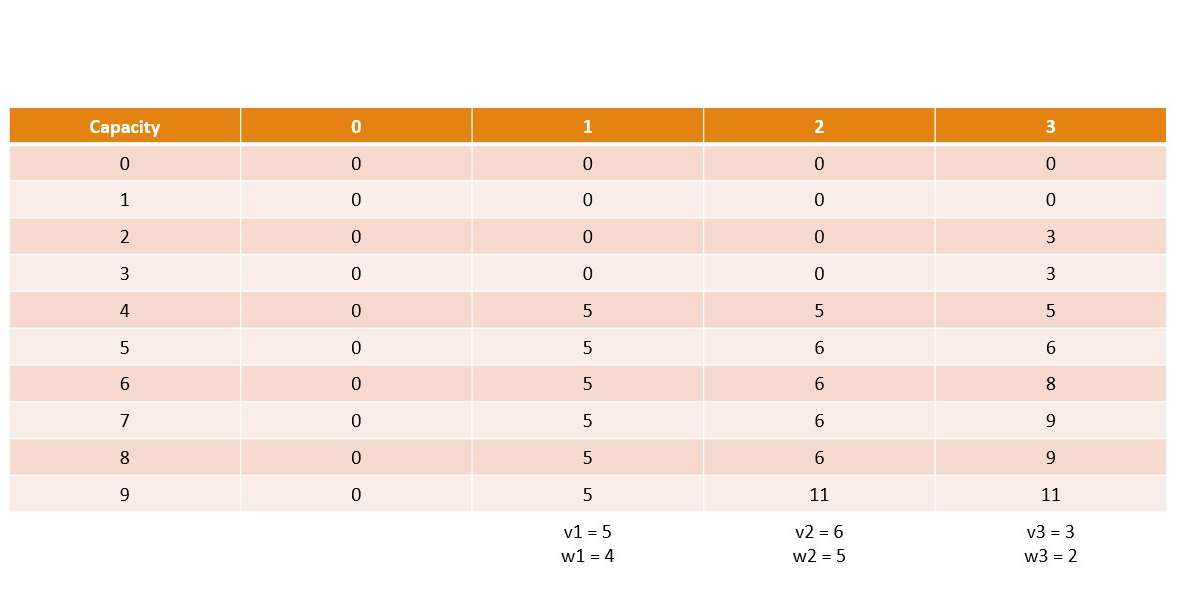
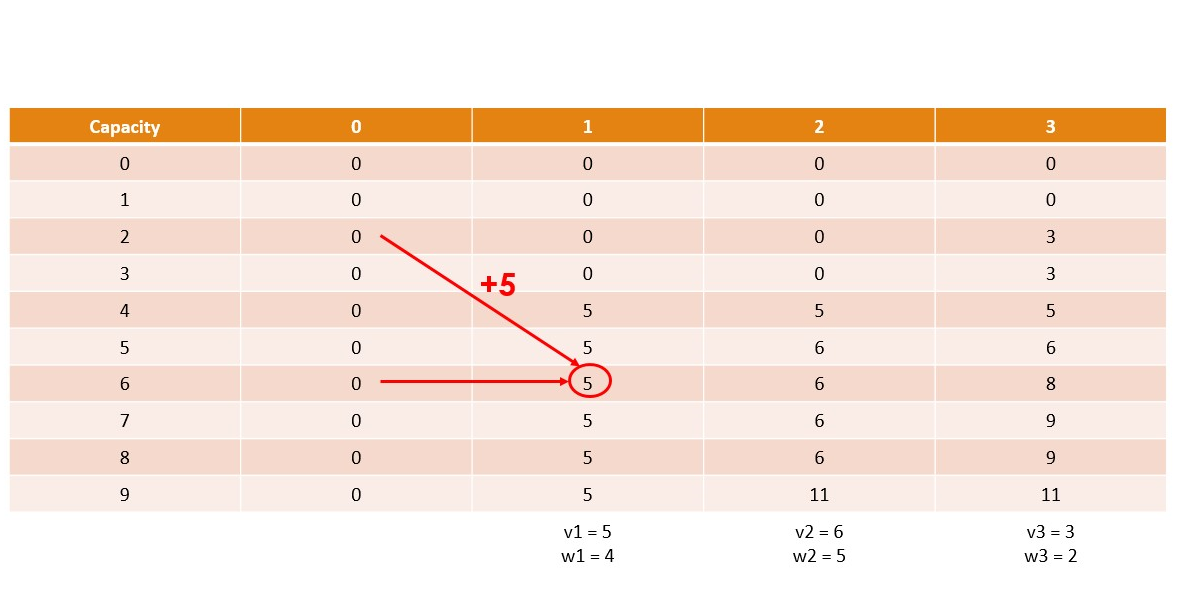
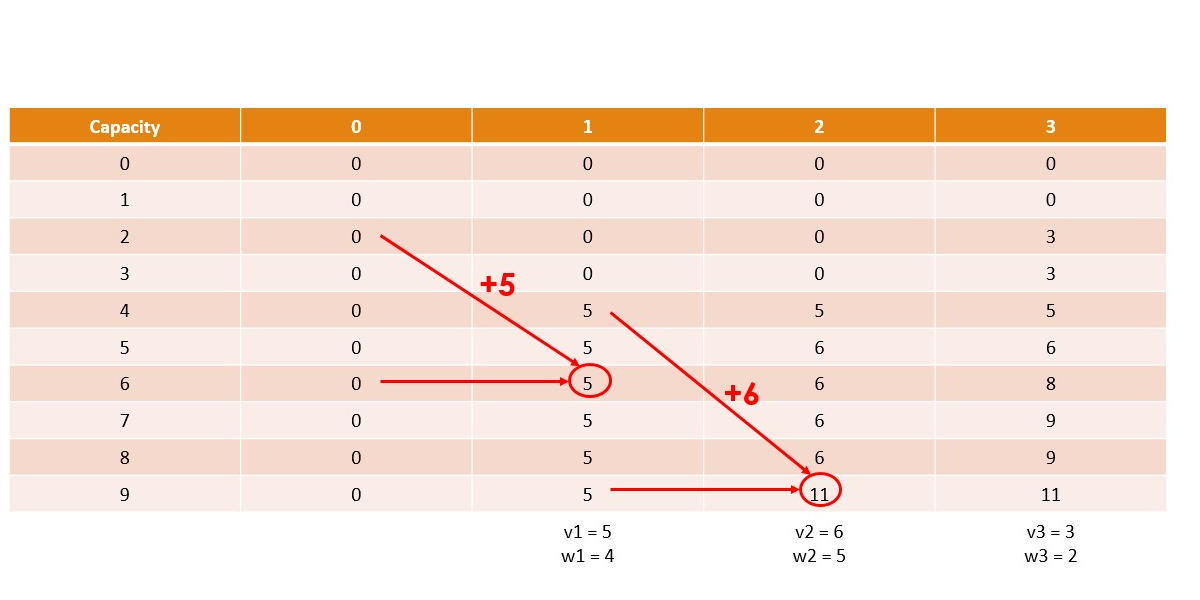
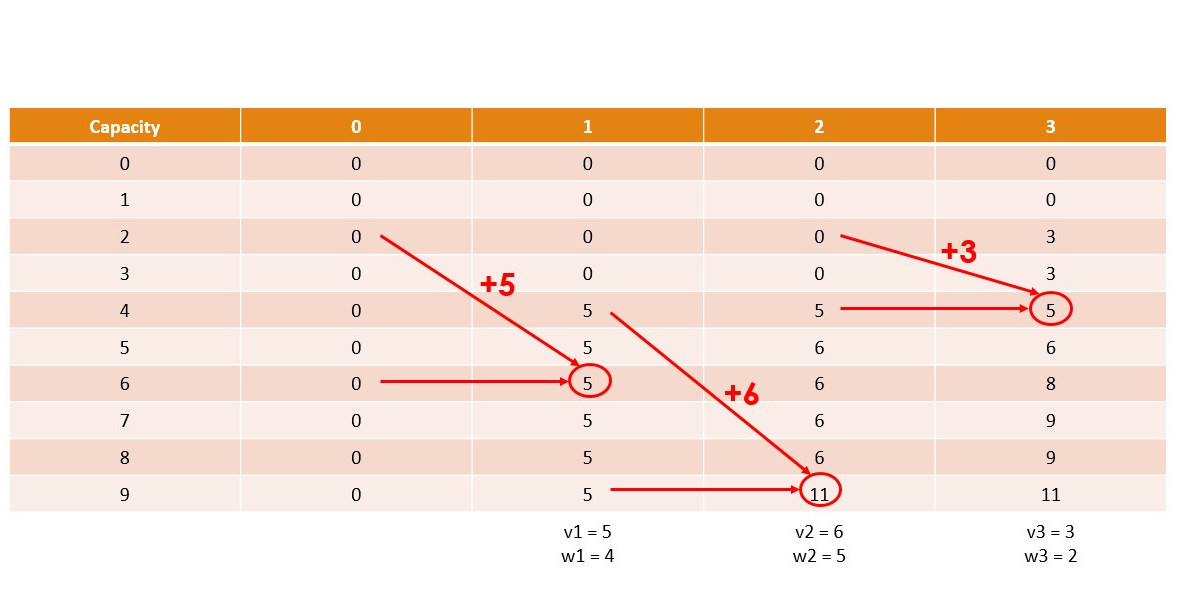
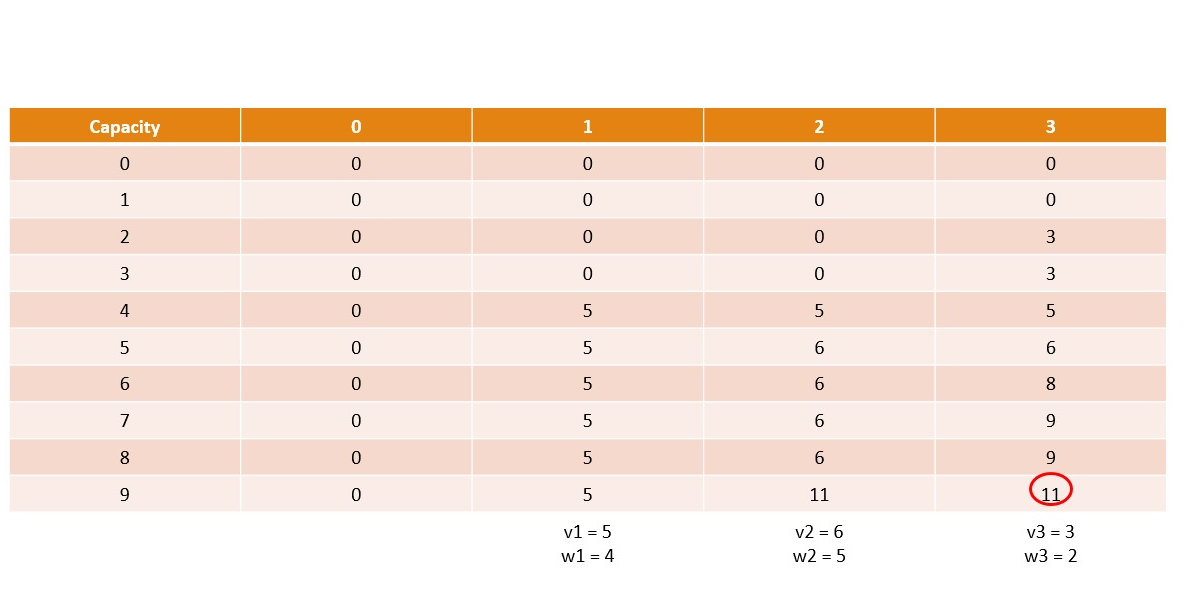
Canonical Knapsack Problem

Knapsack Problem.png

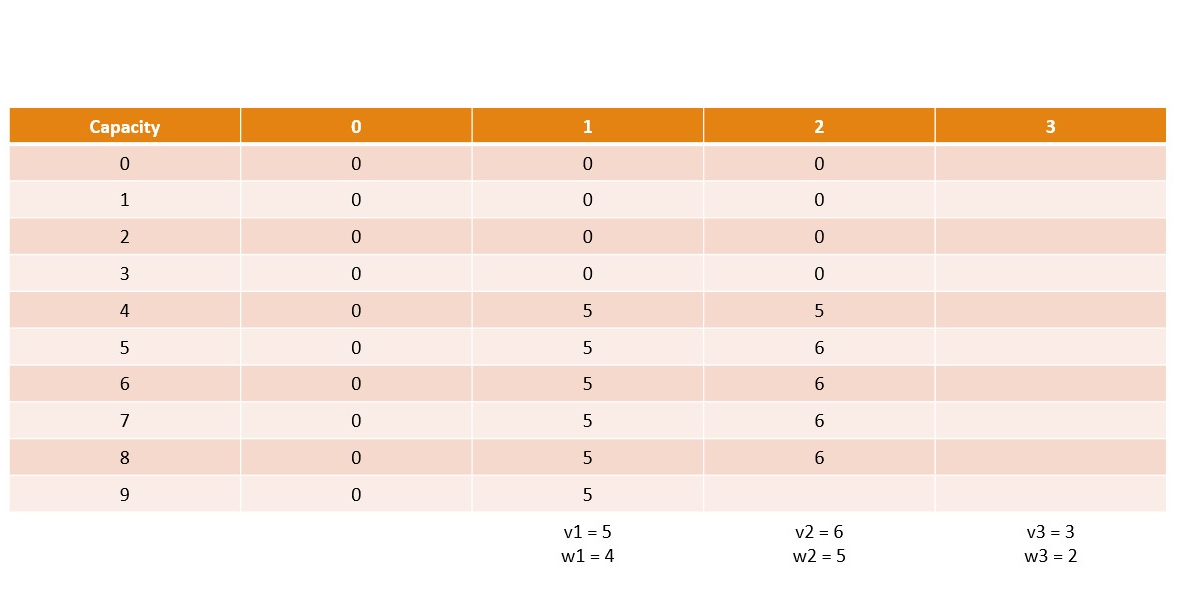
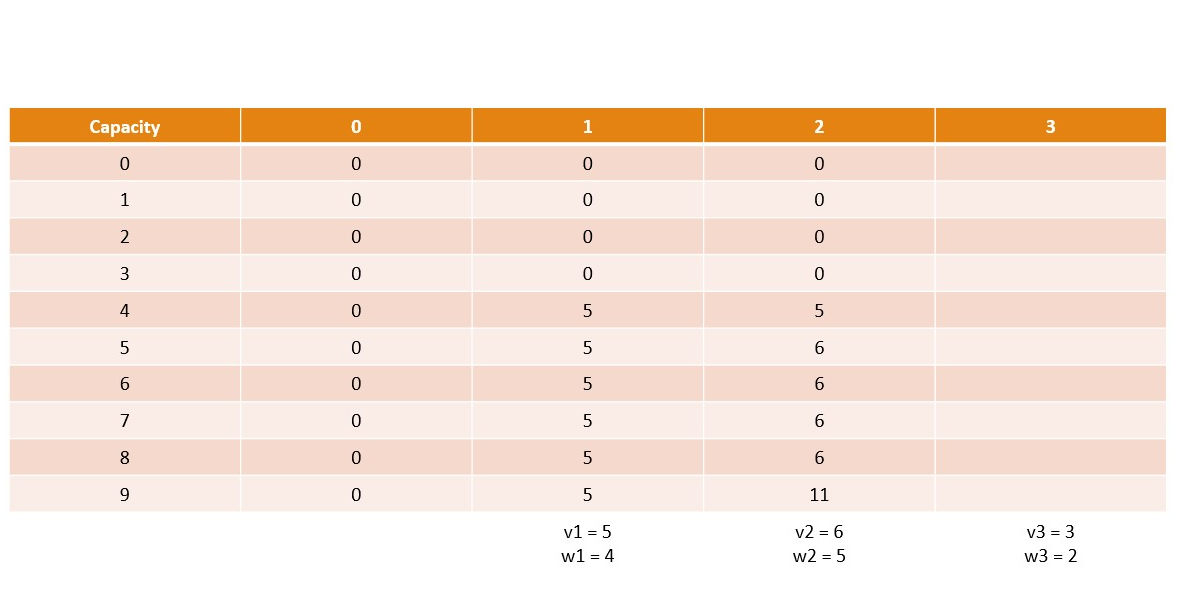
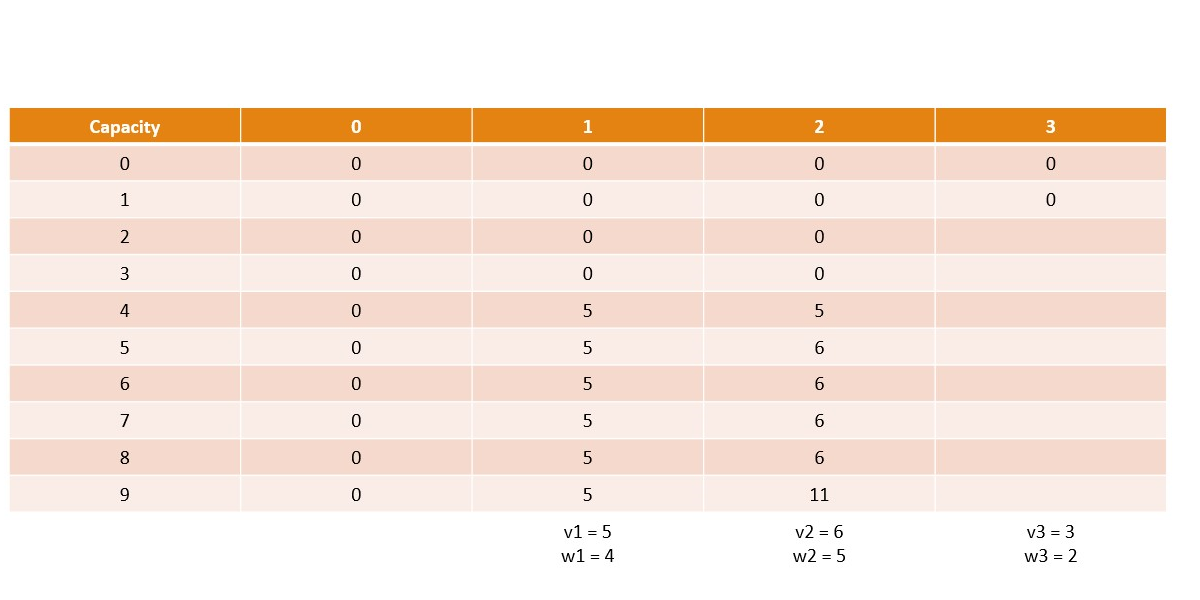
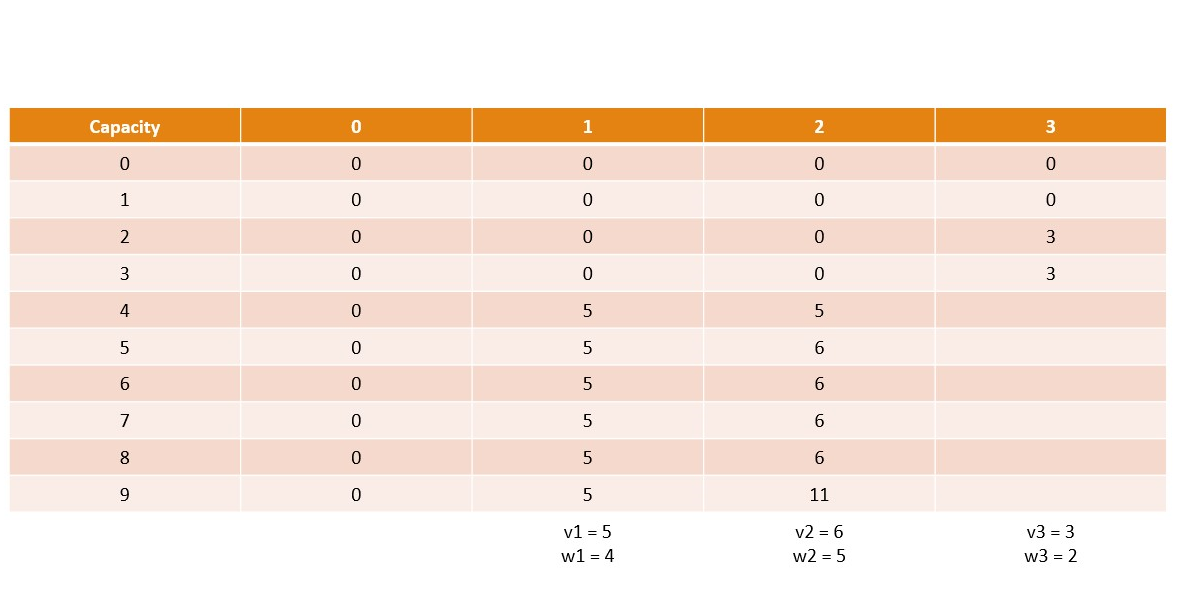
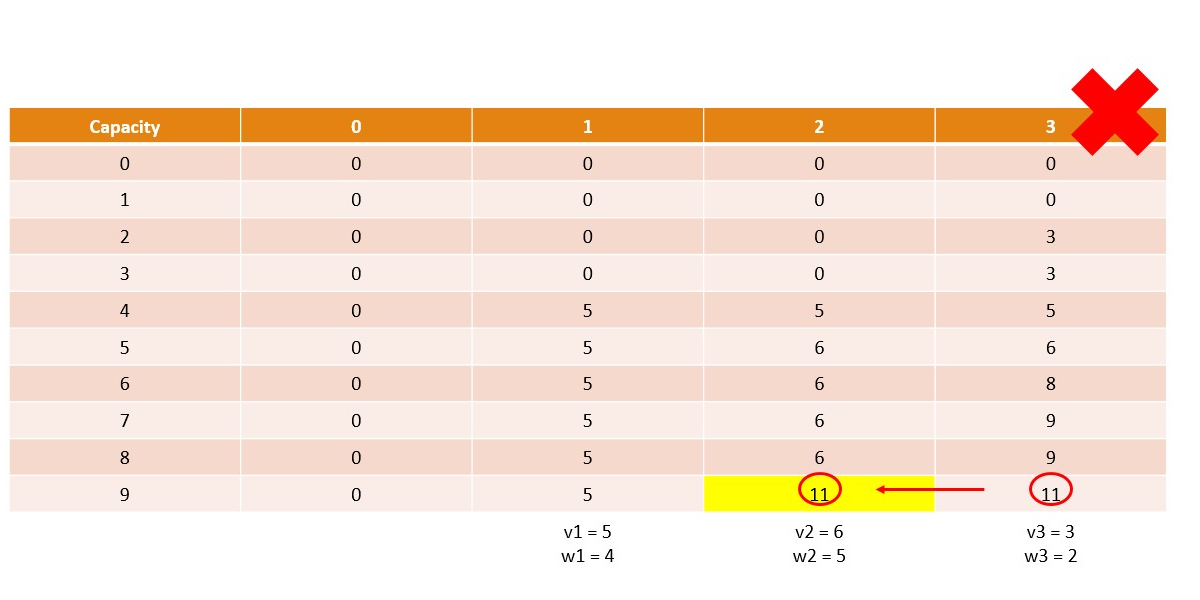
Memoization

Slide7_1200x600.jpg

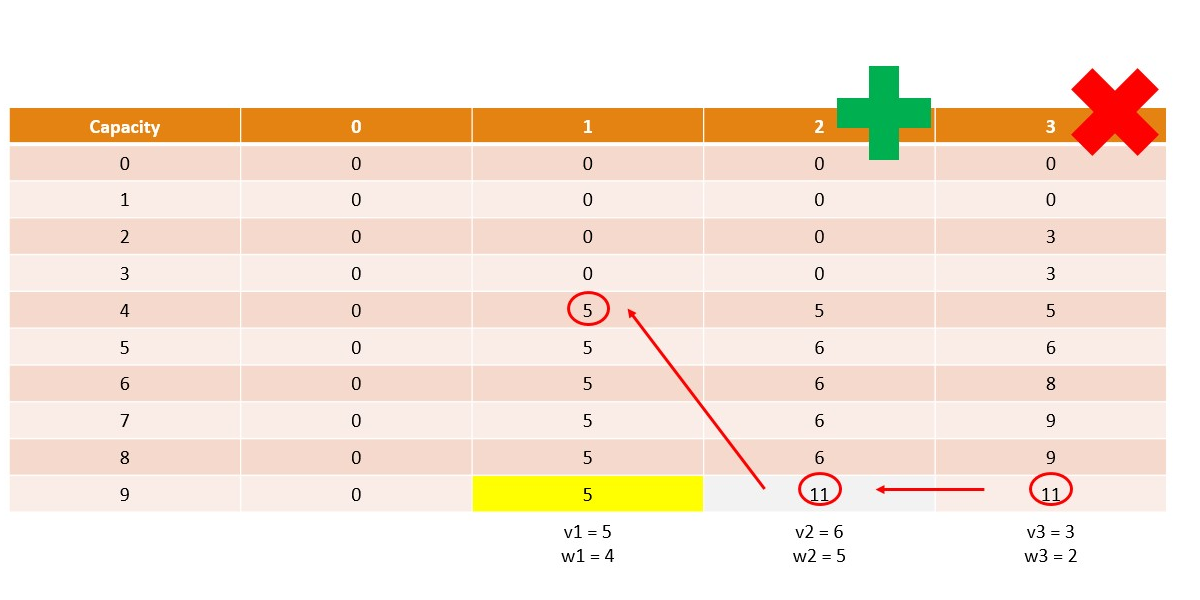
Memoization

Slide8_1200x600.jpg

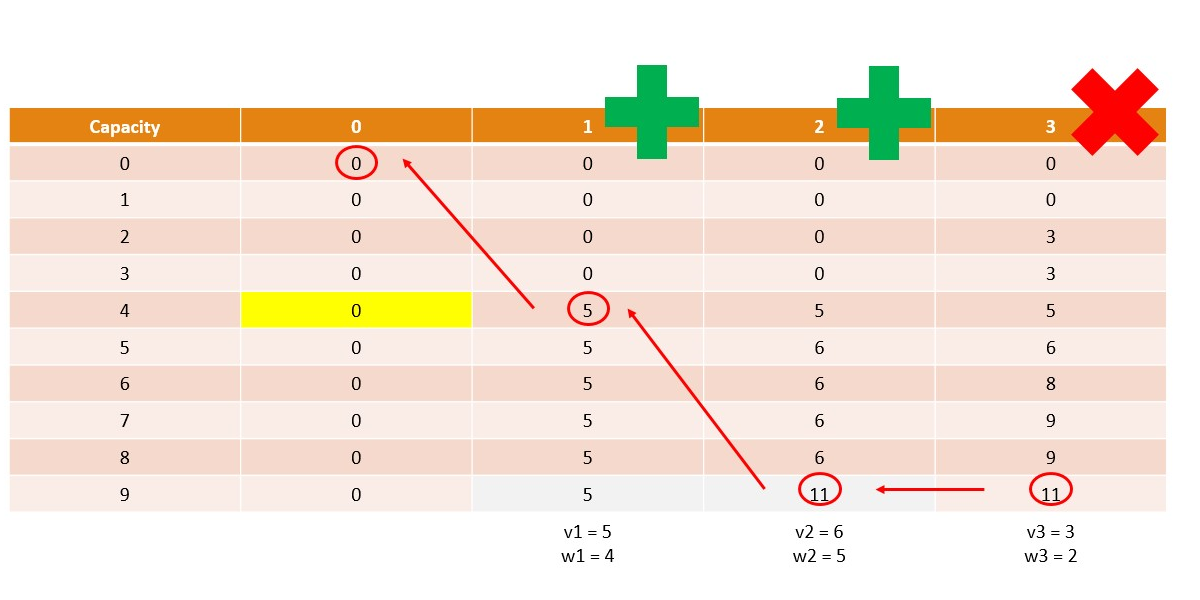
Memoization

Slide9_1200x600.jpg

Memoization

Slide10_1200x600.jpg

Memoization

Slide11_1200x600.jpg

Memoization

Slide12_1200x600.jpg

Memoization

Slide13_1200x600.jpg

Memoization

Slide14_1200x600.jpg

Memoization

Slide15_1200x600.jpg

Memoization

Slide16_1200x600.jpg

Memoization

Slide17_1200x600.jpg

Memoization

Slide18_1200x600.jpg

Memoization

Slide19_1200x600.jpg

Memoization

Slide20_1200x600.jpg

Memoization

Slide21_1200x600.jpg

Memoization

Slide22_1200x600.jpg

Memoization

Slide23_1200x600.jpg

Memoization

Slide24_1200x600.jpg

Memoization

Slide25_1200x600.jpg

Memoization

Slide26_1200x600.jpg

Memoization

Slide27_1200x600.jpg

Memoization

Slide28_1200x600.jpg

Memoization

Slide29_1200x600.jpg

Dynamic Programming

A mathematical optimization technique

  • Best for solving problems that can be described recursively
  • Breaks the problem into smaller sub-problems​
  • Solves each small problem only once​
  • Guarantees an optimal solution​

Optimization Problems

  • Find the best values for a set of decision variables that​
    • Satisfies all constraints
    • Maximizes the features we want​
    • Minimizes the features we don’t want

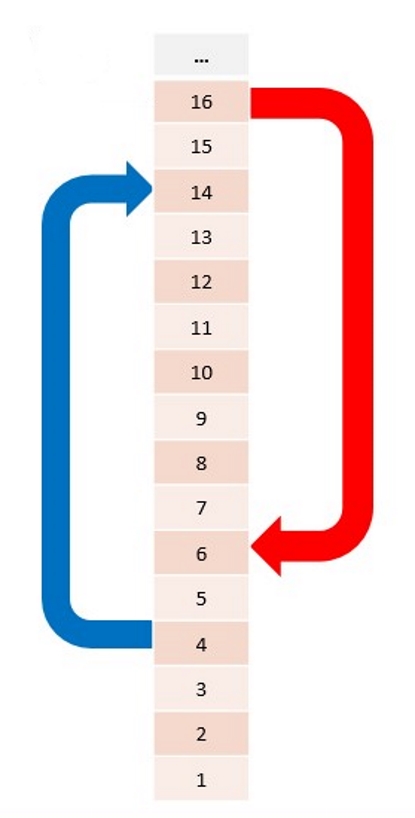
Simple Example - Chutes and Ladders
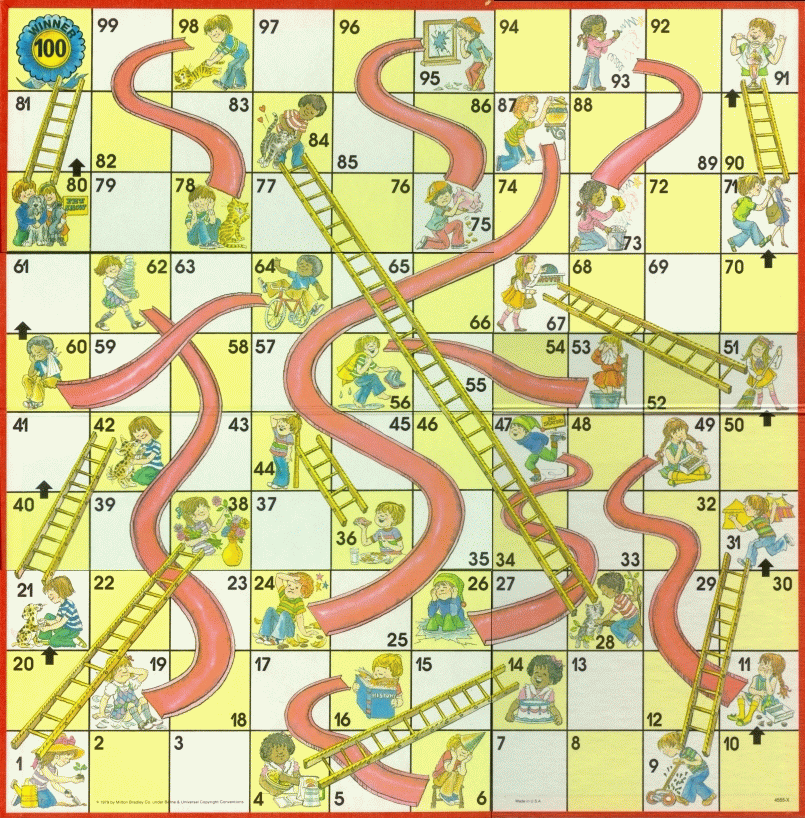
Chutes and Ladders 3.gif Linear Array.jpg

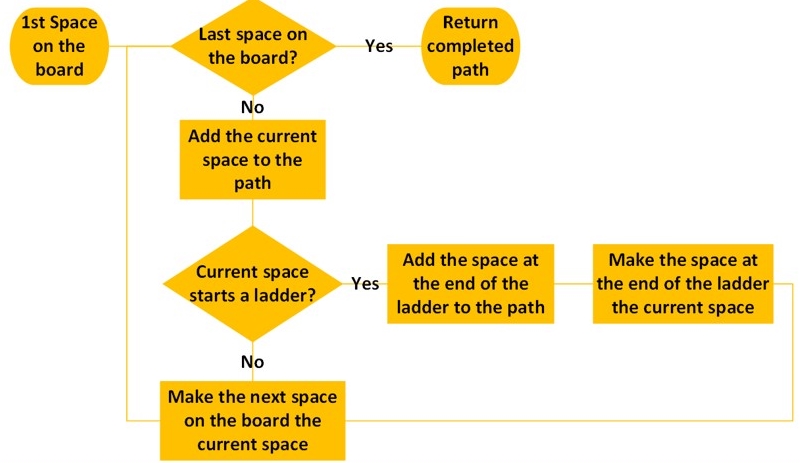
Chutes and Ladders - Greedy Algorithm

  • Start at the 1st space on the board​
  • While we haven't reached the last space​
    • Add the space to the current path​
    • If the current space has a ladder​
      • Add the end of the ladder to the path​
      • Make that space the current space​
    • Move to the next space on the board​
  • Return the completed path through the board
Greedy Algorithm.jpg

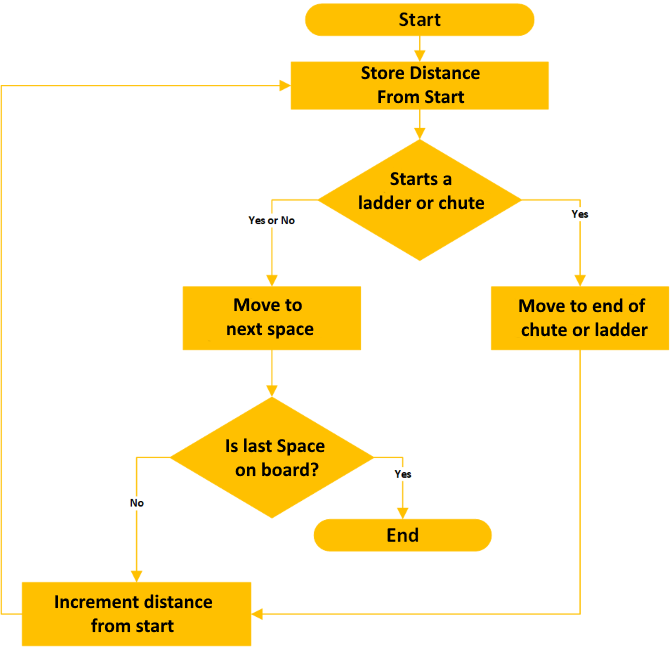
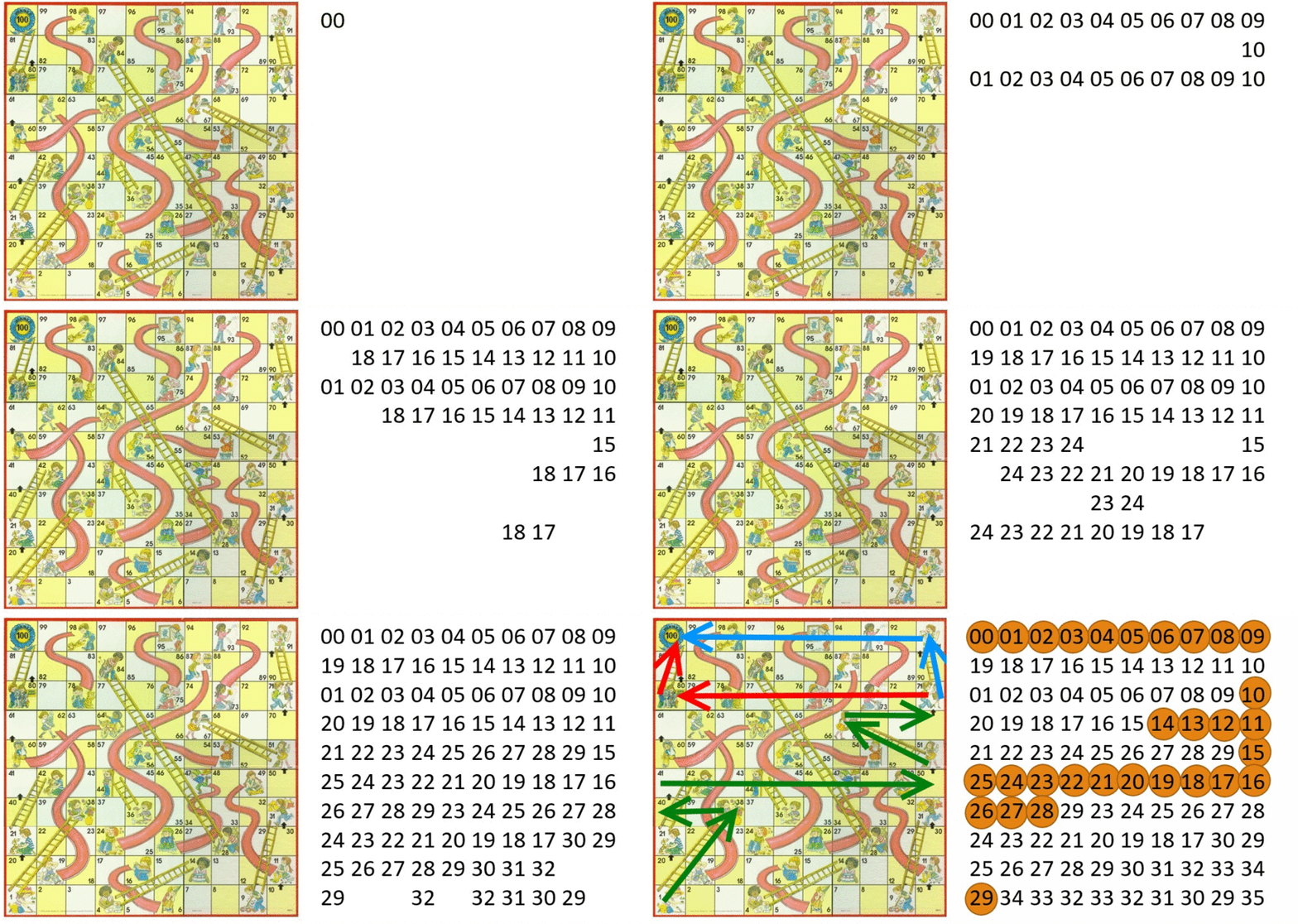
Dynamic Programming - Step 1

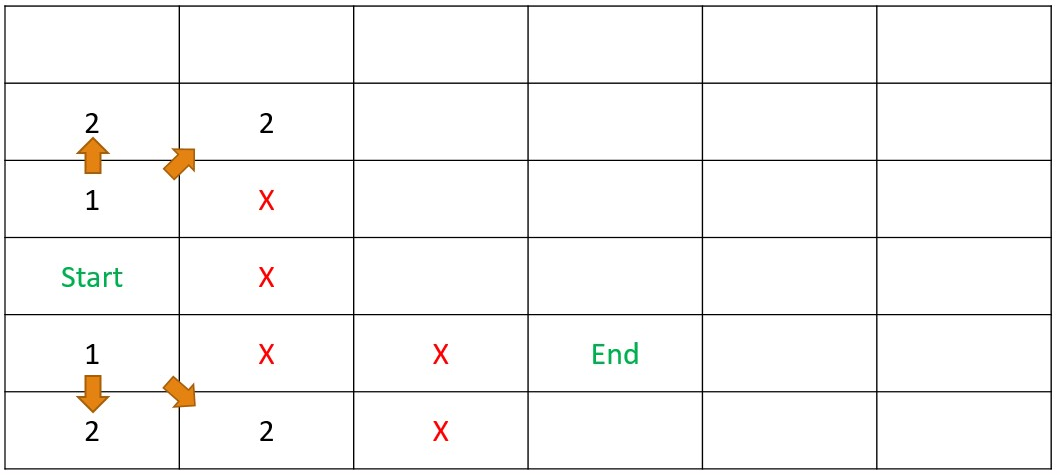
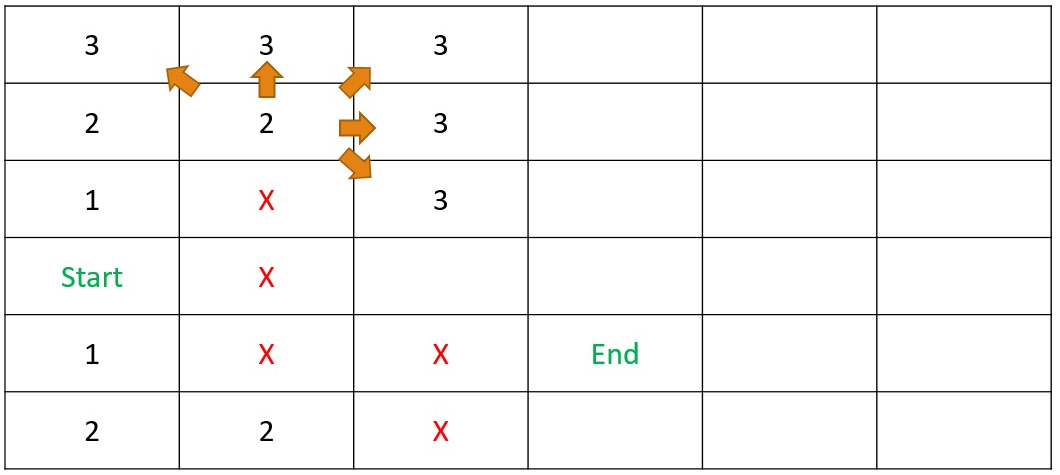
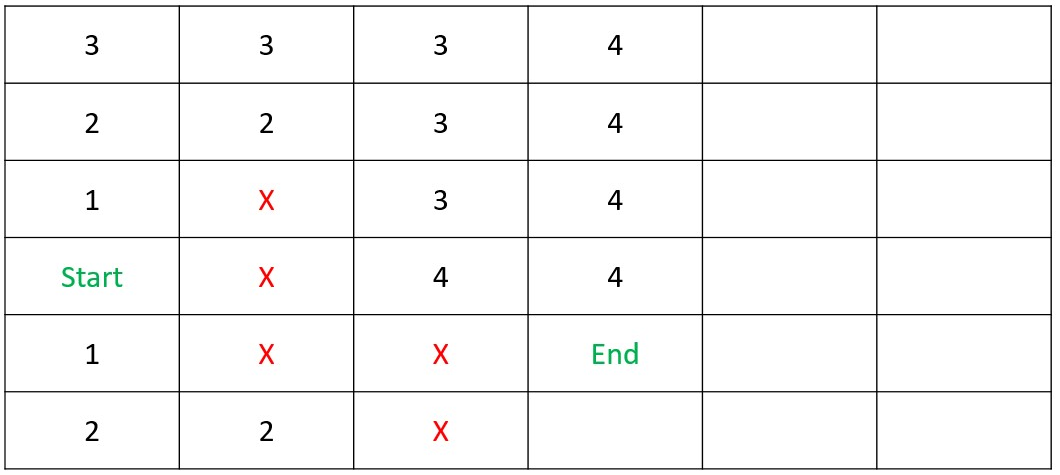
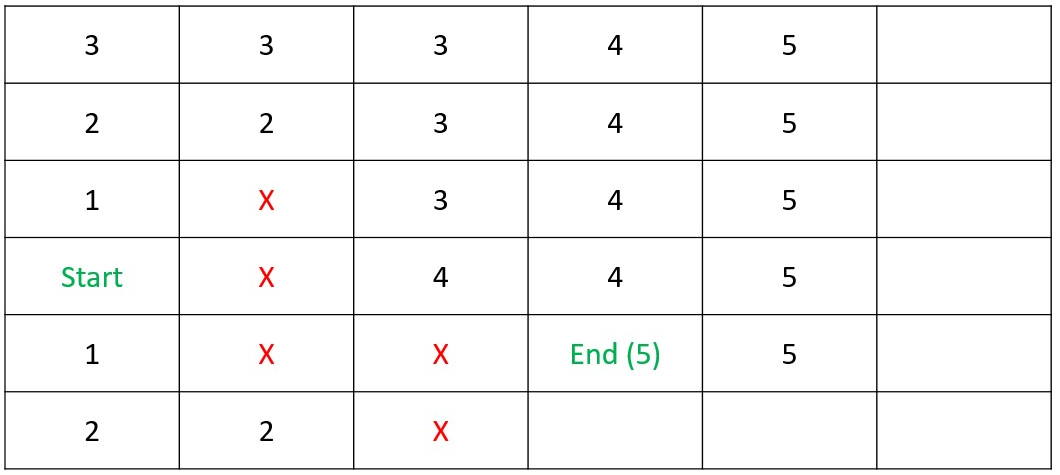
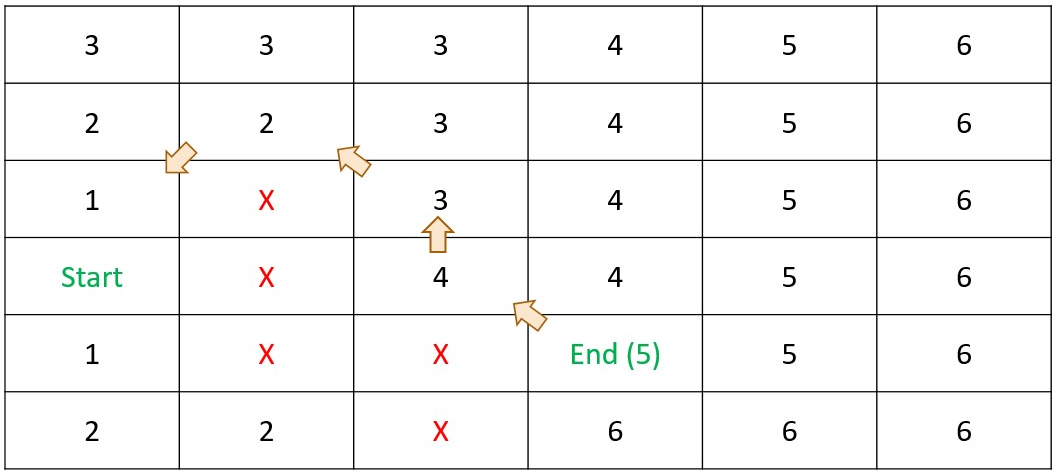
DetermineDistance(s,d)

  • Call DetermineDistance(space[0], 0)
  • If shorter​ than previously found
    • Set DistanceFromStart property
    • If this space starts a chute or ladder​
      • DetermineDistance(endOfNavigation, distanceFromStart+1​)
    • If not at the end of board​
      • DetermineDistance(nextSpace, distanceFromStart+1)
  • Return all spaces with their DistanceFromStart property populated
Determine Distance from Start.png

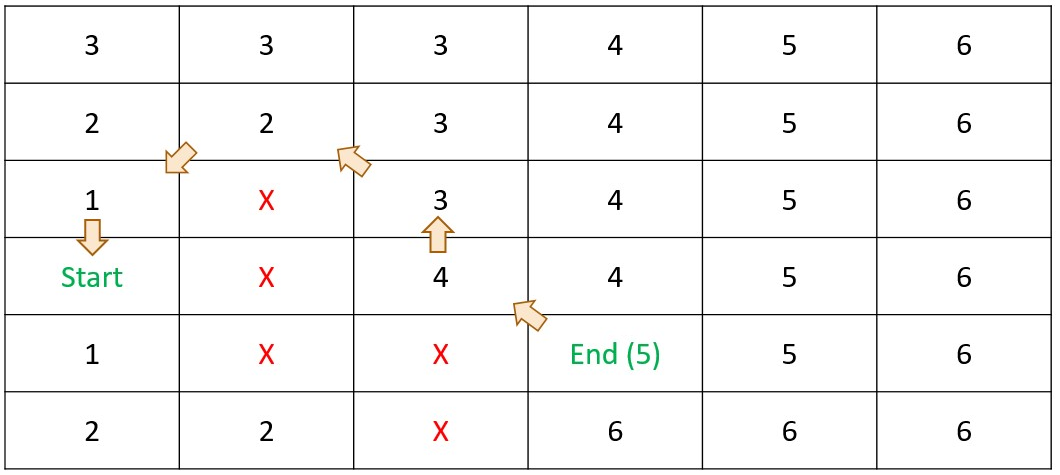
Dynamic Programming - Step 2

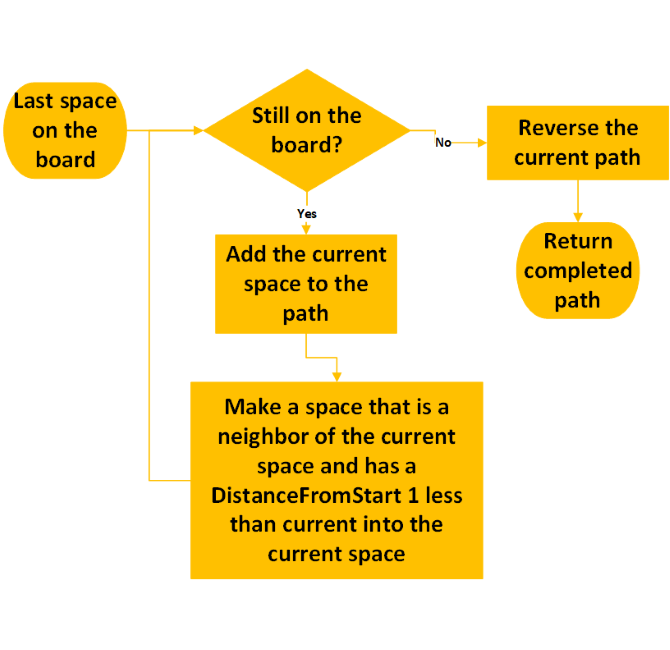
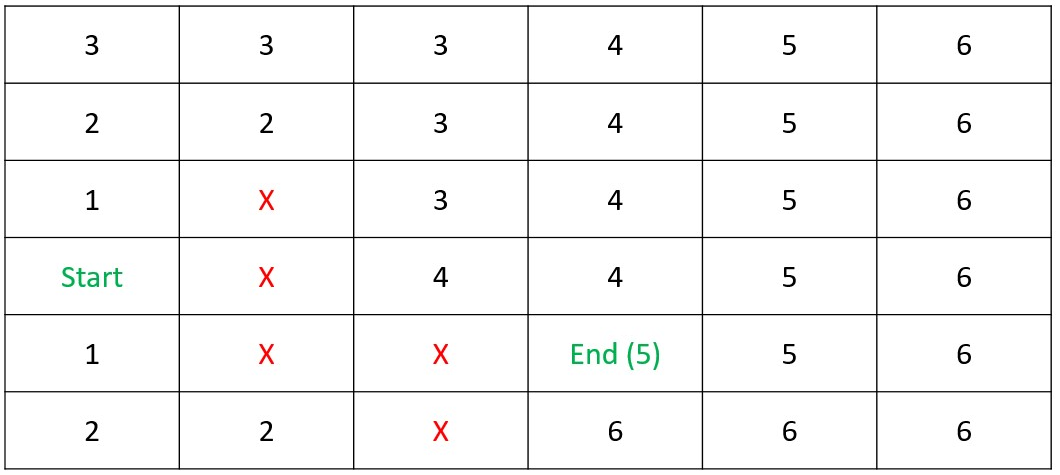
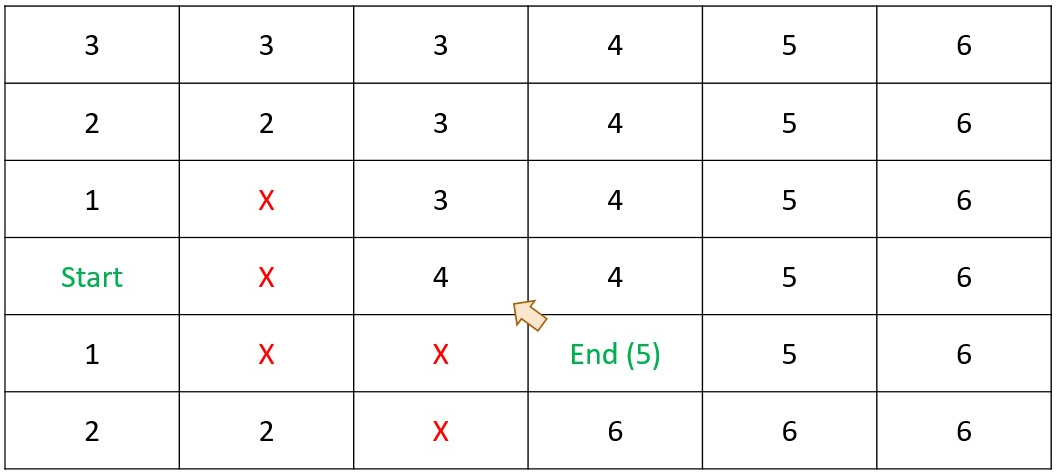
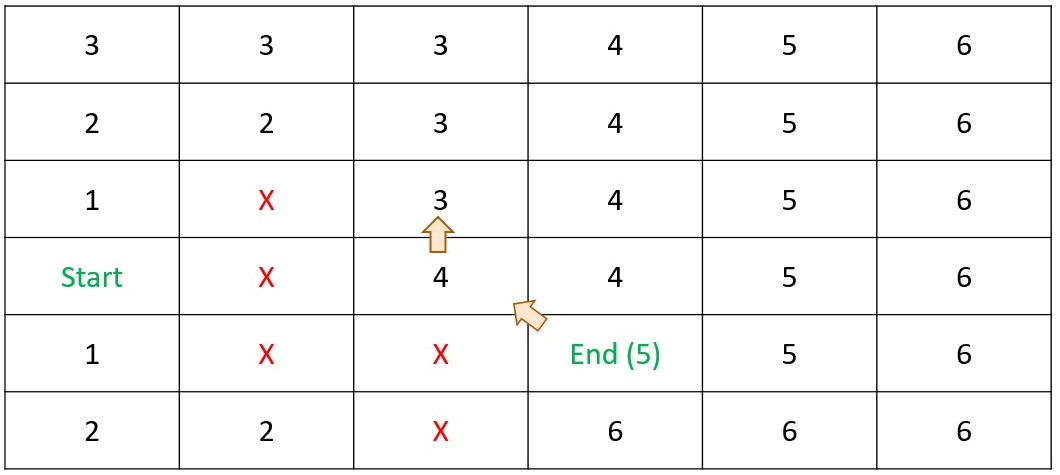
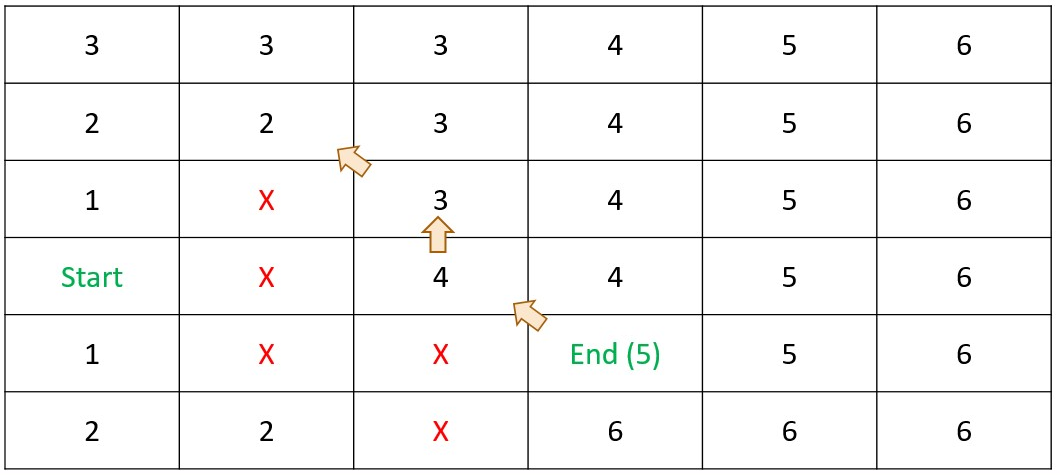
  • Start at the last space on the board​
  • While we are still on the board​
    • Add the current space to the path​
    • Set the current space to a space that is a neighbor of the current space and whose DistanceFromStart is space.DistanceFromStart-1​
  • Reverse the direction of the path​
Retrace Path - Smaller.png

Memoization

Memoization.gif

Shortest Path

Slide79_1000x475.jpg

Shortest Path

Slide80_1000x475.jpg

Shortest Path

Slide81_1000x475.jpg

Shortest Path

Slide82_1000x475.jpg

Shortest Path

Slide83_1000x475.jpg

Shortest Path

Slide84_1000x475.jpg

Shortest Path

Slide85_1000x475.jpg

Shortest Path

Slide86_1000x475.jpg

Shortest Path

Slide87_1000x475.jpg

Shortest Path

Slide88_1000x475.jpg

Shortest Path

Slide89_1000x475.jpg

Shortest Path

Slide90_1000x475.jpg

Summary - Dynamic Programming

  • Populate the cache​
    • Simple calculations​
    • Build from the ground-up​
  • Use the cached data to determine the answer(s)​
    • Work backwards through the cache​
  • Guaranteed Optimality​
    • A fully populated cache means all options are explored​
    • Works in any number of dimensions​
  • Works with any graph (nodes & edges)​
    • Works best when​
      • Problems can be described recursively​
      • 1 or more axis are limited in scope

Use Case: Game Strategy

Find the best strategy in a multi-player board game​

  • Variant of Chutes & Ladders​
    • Player decides whether or not to take a chute or ladder​
  • Extremely large Solution Space
    • Impossible to simply try all options
Chutes and Ladders 3.gif

Other Model Types

  • Shortest Path Algorithm
    • Guarantees shortest path but not necessarily best strategy
  • Mixed-Integer Programming Model
    • Requires a mathematical fitness function (can't use a simulation)
  • Neural Network
    • Requires a very large training data corpus

Genetic Algorithms

Find Solutions by Simulating Darwinian Evolution​

  • Each candidate solution is defined by its properties (chromosomes)​
  • A fitness function is used to determine which solutions "survive"
    • A simulation may be used as the fitness function
  • Surviving solutions may mutate and evolve other solutions​

Optimality is Never Guaranteed

  • Optimal solution may never be found
    • i.e. If a optimality requires a large combination of elements
  • Optimum may be found but not recognized
    • If conditions make that solution non-optimal at that moment
      • i.e. If a key feature is not used during the simulation
    • Minimize the liklihood by increasing simulation size

Determine Our Game Strategy

  • We need a strategy that will tell us where we

    should move to next, given:

    • Our location on the board
    • The result of our spin
    • The location of our opponents (opt)
    • Our player number (opt)
  • Example: If we are on square 45 and spin a:

    • 1 - 46 (no choice)
    • 2 - 47 (no choice)
    • 3 - 48 or 26
    • 4 - 49 or 27
    • 5 - 50, 11 or 28
    • 6 - 51, 12, 29 or 84
Chutes and Ladders 3.gif

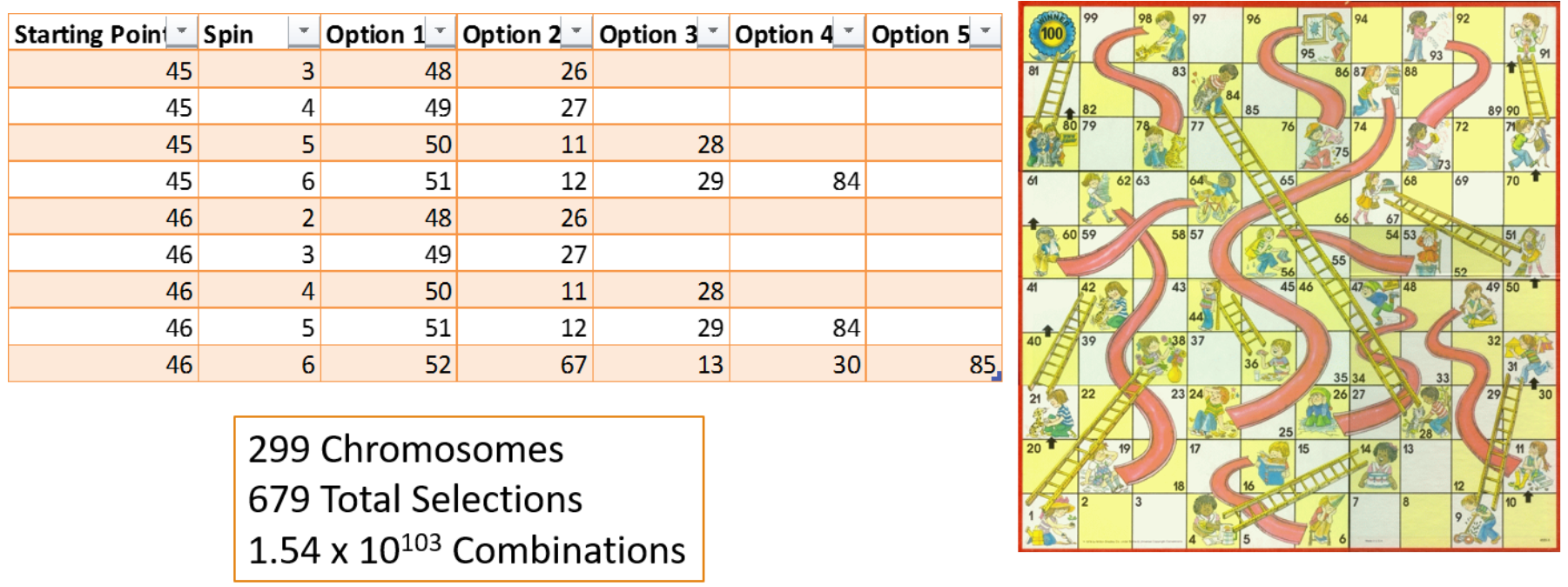
Step 1 - Define DNA

  • A chromosome represents all of the possible decisions that can be made

  • Each gene represents a decision

    • Ideally a gene fully describes a single game state
    • If no decision is possible for a state, there is no gene for that state
  • An allele is an option for that decision

    • If there are 3 options for a given state there will be 3 possible alleles for that gene

DNA of Chutes & Ladders

DNA.png

Step 2 - Setup Parameters

  • Simulations per Generation
    • Controls how often the solutions evolve
    • More simulations make it more likely the best solution will survive
  • Generation Count
    • Controls simulation length
    • Optionally look for convergence
      • When does improvement stop?
      • When do significant changes stop during crossover?
  • Error (misspelling) rate
    • Controls how frequently genes change allele's during the evolutionary process
    • Higher rates cause greater variations from generation to generation
  • Selection strategy
    • Defines which solutions survive and mutate
      • Survive intact - Remain unchanged to next generation
      • Survive mutated - Modified versions survive to next generations
      • Survive recombined - Crossover between two solutions survives

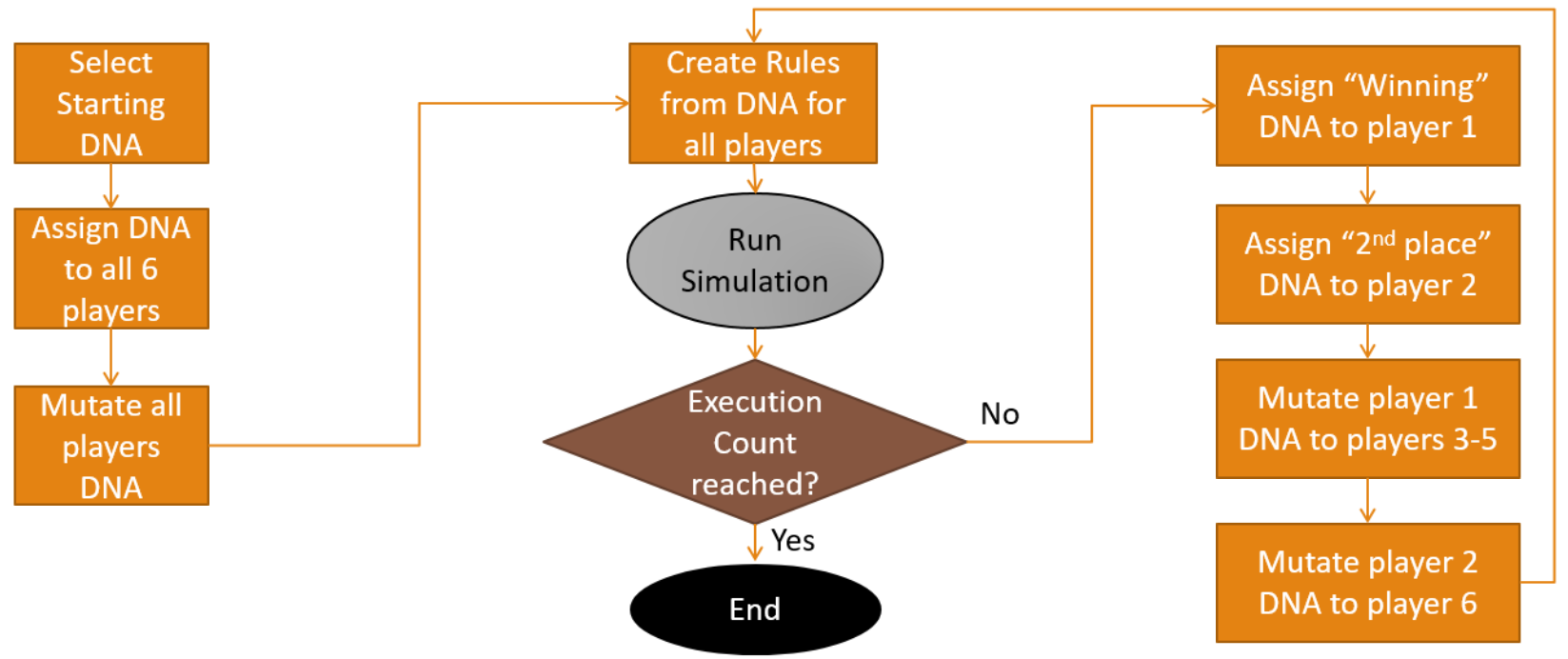
Genetic Algorithm

Genetic Algorithm.png

Step 3 - Run the Simulations

DNA.png

Options for Experimentation

  • Implement in your preferred language

    • C# implementation is on GitHub
  • Augment to include what place the player is in

    • i.e. Might make different decisions if started 1st vs 6th
  • Augment to include opponent locations

    • i.e. Might make different decisions if opponents are close to the end
  • Define the DNA of another game

    • Recommendation - stick with simpler games to start
    • Avoid games like chess with massive complexity

Problem 2 - Semantic Distance

semantic-dna-surreal 800x800.jpeg

Embeddings

  • A point in multi-dimensional space
  • Mathematical representation of a word or phrase
  • Encode both semantic and contextual information

  • Model: text-embedding-ada-002
  • Vectors normalized to unit length
  • Use 1536 dimensions
Embeddings - Cosmic Desert 800x800.jpg

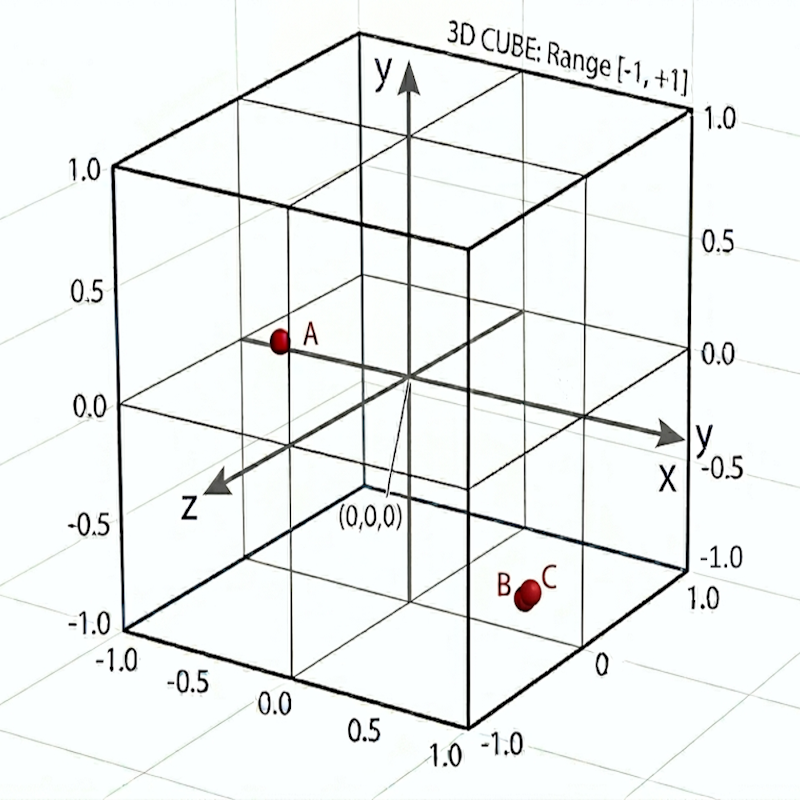
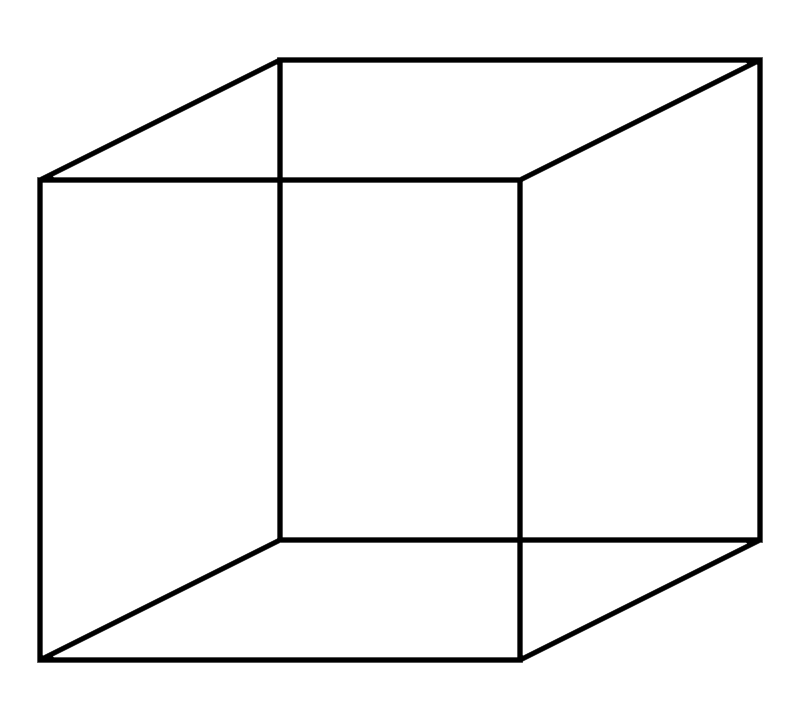
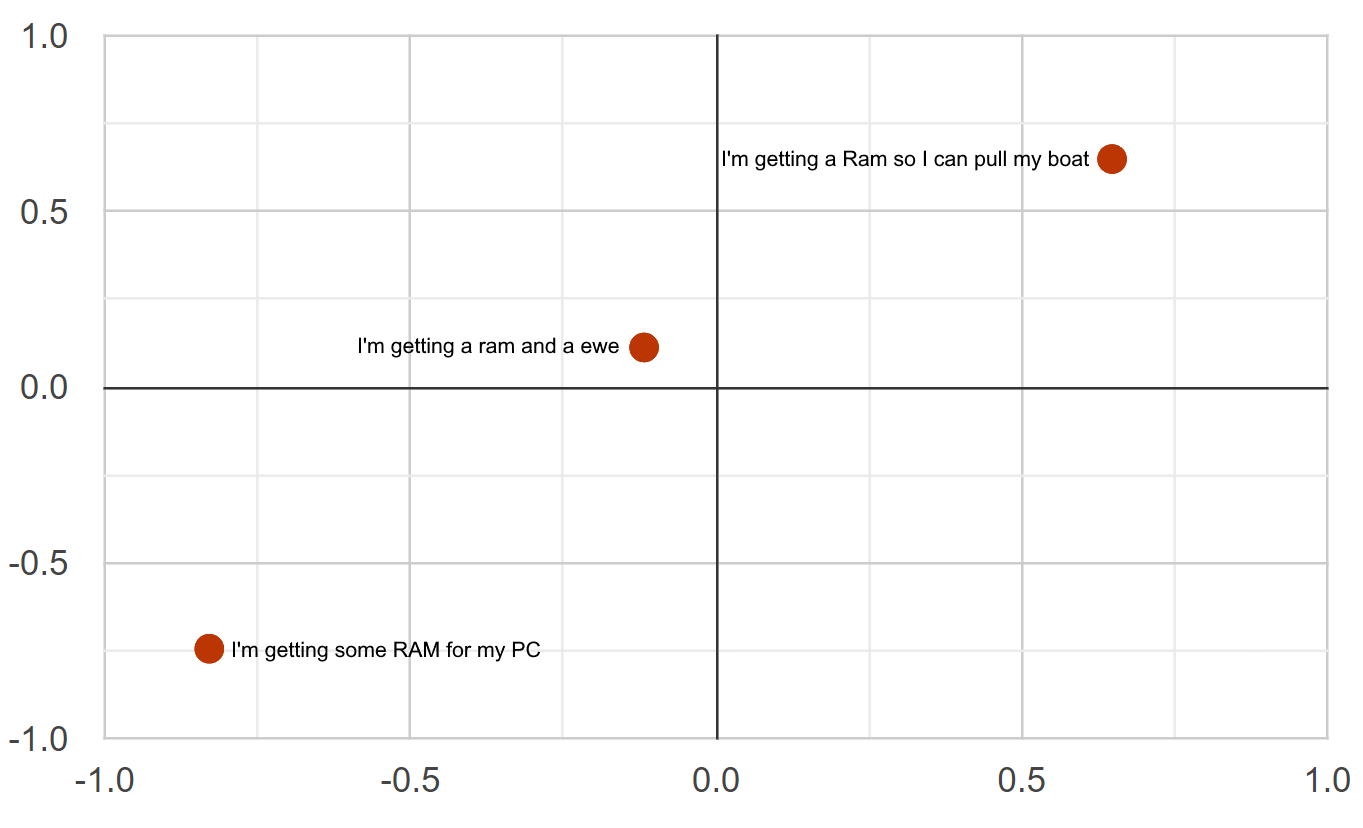
3-D Space Projected into 2-D

Necker_cube_with_background.png
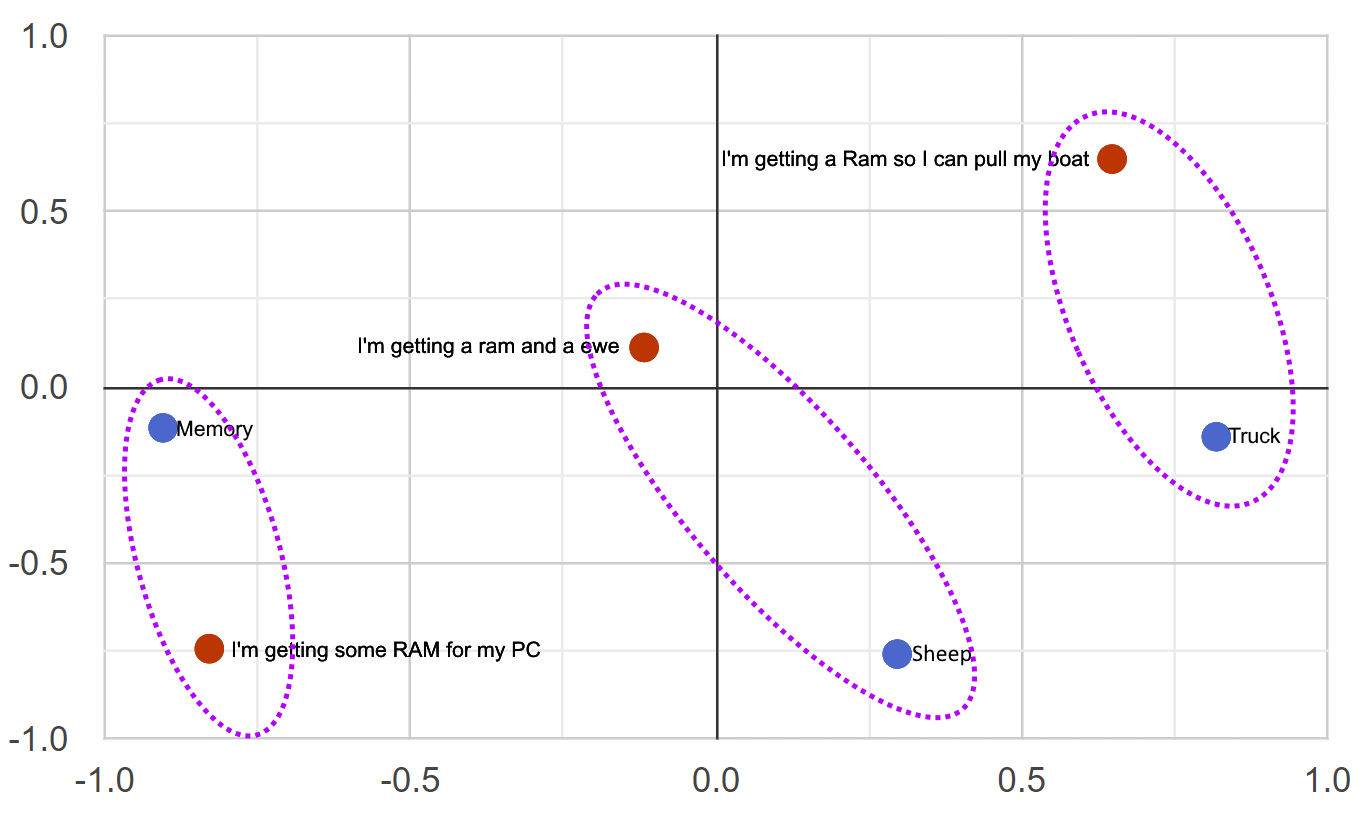
  Ram - Just Statements.png
  Ram - With Clusters.png

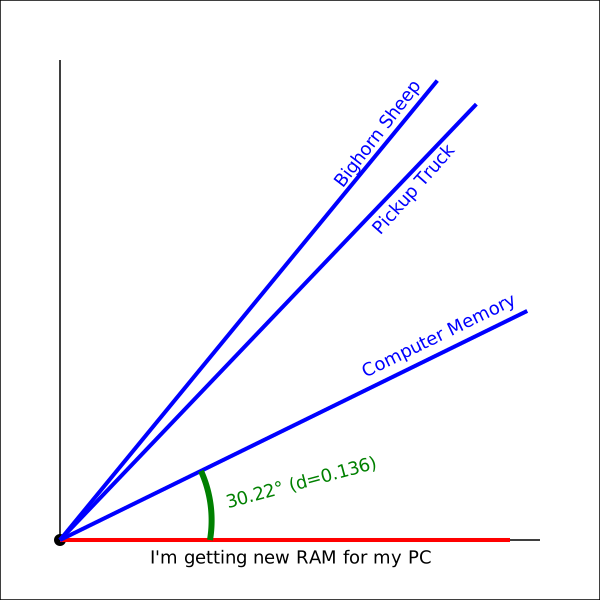
Cosine Similarity & Distance

Relate vectors based on the angle between them

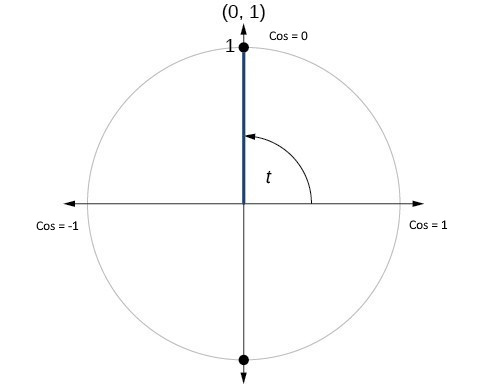
  • Cosine Similarity ranges from -1 to 1, where:

    • +1 indicates that the vectors represent similar semantics & context
    • 0 indicates that the vectors are orthogonal (no similarity)
    • -1 indicates that the vectors have opposing semantics & context
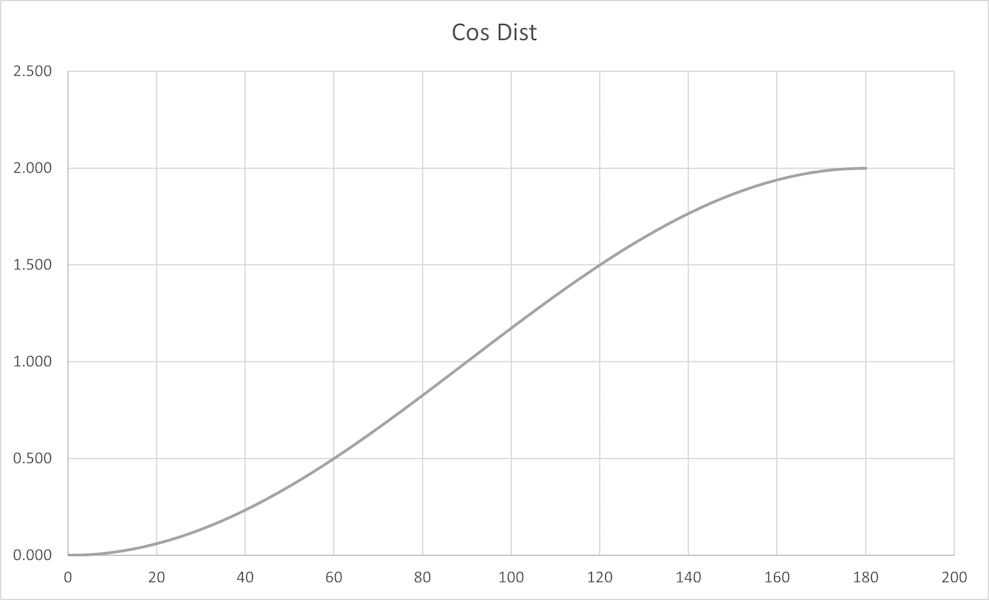
  • Cosine Distance is defined as 1 - cosine similarity where:

    • 0 = Synonymous
    • 1 = Orthogonal
    • 2 = Antonymous

Note: For normalized vectors, cosine similarity is the same as the dot-product

Cosine Unit Circle - Enhanced.jpg

Cosine Distance

Cosine Distance 989x600.png

Cosine Distance

Angles2.svg

Embedding Distance

Feature Example
Synonym "Happy" is closer to "Joyful" than to "Sad"
Language "The Queen" is very close to "La Reina"
Idiom "He kicked the bucket" is closer to "He died" than to "He kicked the ball"
Sarcasm "Well, look who's on time" is closer to "Actually Late" than "Actually Early"
Homonym "Bark" (dog sound) is closer to "Howl" than to "Bark" (tree layer)
Collocation "Fast food" is closer to "Junk food" than to "Fast car"
Proverb "The early bird catches the worm" is closer to "Success comes to those who prepare well and put in effort" than to "A bird in the hand is worth two in the bush"
Metaphor "Time is money" is closer to "Don't waste your time" than to "Time flies"
Simile "He is as brave as a lion" is closer to "He is very courageous" than to "He is a lion"

Modeling Exercise

Design a system to find words/phrases that are far apart (semantically different) in the embedding space?

  • Assumptions

    • No db of embeddings available to search
    • Limited understanding of the features of the embedding space
      • i.e. changing language changes nearly every dimension
  • What type of models might work?

    • Can we do it logically?
    • Can we brute-force it?
    • Are there hybrid approaches?
  • What are the features of each model?

  • How do we execute the model(s)?

  brainbreaks.png

Possible Genes

  • Categorical

    • Part of Speech (noun, verb, etc)
    • Register (formal, slang, technical, etc)
    • Morphology (root, compound, phrase)
    • Animacy (inanimate, animate, agentic, collaborative)
    • Scientific Discipline (biology, physical, life/health, etc)
  • Continuous

    • Polarity (negative -> positive)
    • Idiomacity (literal -> idiomatic)
    • Concreteness (abstract -> concrete)
  • Other Options

    • Language

Mapping Strategies

We need to find what should change in order to identify a word distant from the current one

  • Part of Speech: Noun -> Adverb
  • Discipline: Software Engineering -> Philosophy
  • Polarity: Neutral -> Highly Positive

Linguistic Agent - System Prompt

You are a simulation of a great linguist. You classify words/phrases within the following categories:

  • Part of Speech (noun, verb, etc)
  • Register (formal, slang, technical, etc)
  • Scientific Discipline (biology, physical, life/health, etc)
  • Morphology (root, compound, phrase)
  • Animacy (inanimate, animate, agentic, collaborative)
  • Polarity (highly negative, negative, neutral, positive, highly positive)
  • Idiomacity (highly literal, literal, idiomatic, highly idiomatic)
  • Concreteness (highly abstract, abstract, concrete, highly concrete)

Your job is to identify words/phrases that meet the requested characteristics. You respond only with the requested word or phrase in lower case.

Linguistic Agent - User Prompt

Give me a word or phrase with the following characteristics:

  • Primary part of speech is verb
  • Register is technical
  • Morphology is phrase
  • Animacy is collaborative
  • Scientific Discipline is biology
  • Polarity is highly negative
  • Idiomacity idiomatic
  • Concreteness highly concrete

and is not in the following list: "prime genius", "engineer a cooperative symbiosis".

Be sure to only respond with the selected word or phrase, no ceremony.

Commonalities

We discussed 2 problems:

  • Game strategy - what's the best move given game state?
  • Semantic Distance - what word should I test next?

What do they have in common? What makes them good candidates for genetic algorithms?

Summary

  • Genetic Algorithms "Learn" by simulating Darwinian Evolution
  • The "DNA" represents the decisions that can be made
    • One chromosome per condition (game state)
    • One gene per option (choices from a state)
  • Several parameters control how solutions evolve
    • Simulations per Generation - how often the solutions change
      • Fewer simulations make it more likely a less-fit solution will survive over a more-fit solution
    • Error (misspelling) rate - how often each chromosome changes between generations
      • Higher rates cause greater variations from generation to generation
    • Selection strategy - Which solutions survive and mutate
      • Survive intact - Remain unchanged to next generation
      • Survive mutated - Modified versions survive to next generations
      • Survive recombined - Crossover between two solutions survives
 

Bio-Inspired Algorithms

  • Best Path Algorithms

    • Ant Colony Optimization
    • Bee Colony Optimization
  • Cost Reduction Algorithms

    • Firefly Optimization
    • Amoeba Optimization
  • AI Models

    • Intro to Optimizing AI Models
    • Training an AI Model Using Amoebas
Buzz - 800x800.jpg

Best Path Algorithms

Ant Colony Optimization
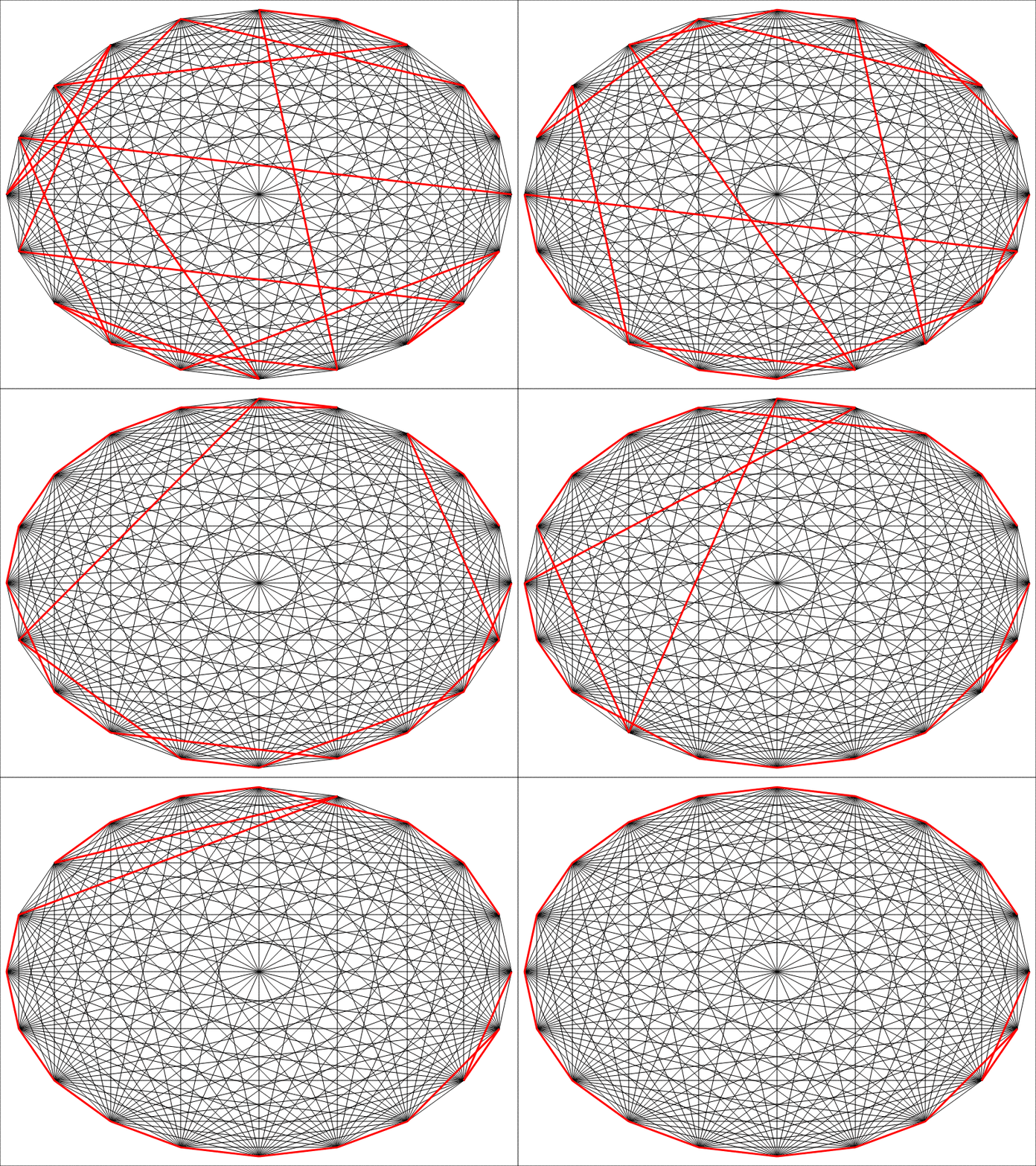
Ant Colony - Best Path - Animated.gif

Pheromones

  • Greater Usage => More Pheromones
  • Shorter Path Length => More Pheromones Remain
  • More Pheromones => Higher Probability of Usage
Pherimones 800x800.jpg

Ant Colony Optimization

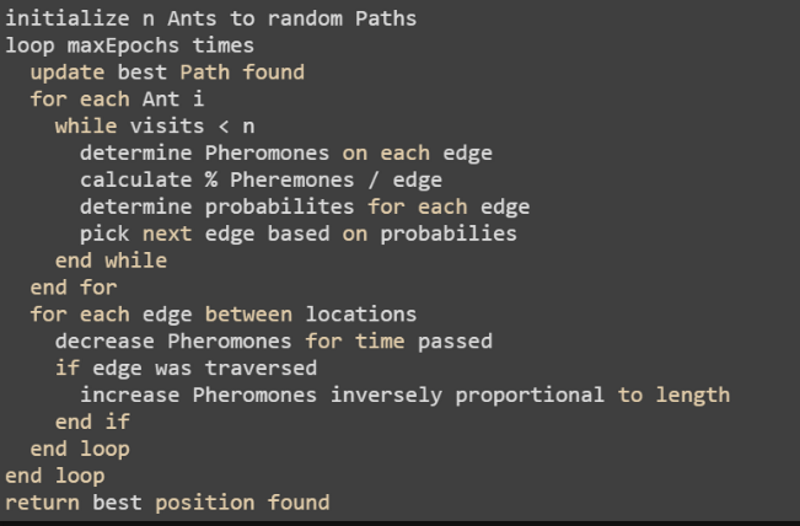
Ant Colony Optimization Psudocode.png
 

Ant Colony Optimization

  • Neighborhood Search
    • Start with random paths
    • Explore neighboring paths based on probability
    • More pheromone = Higher probability of use
    • Can get stuck in a local minima
  • Tweaks
    • Number of ants
    • Pheromones to dispense
    • Pheromone dissipation rate
  • Features
    • Less sensitive to scale
    • Optimality not guaranteed
Ant Colony 800x800.jpg

Bee Colony Optimization

Bee Colony - Best Path - Animated.gif

Types of Bees

Active Workers
Forage on their known path and on a neighboring path

Scouts
Forage on a random path

Inactive Workers
Wait for information from other bees
Bee Colony 800x800.jpg

Bee Colony Optimization

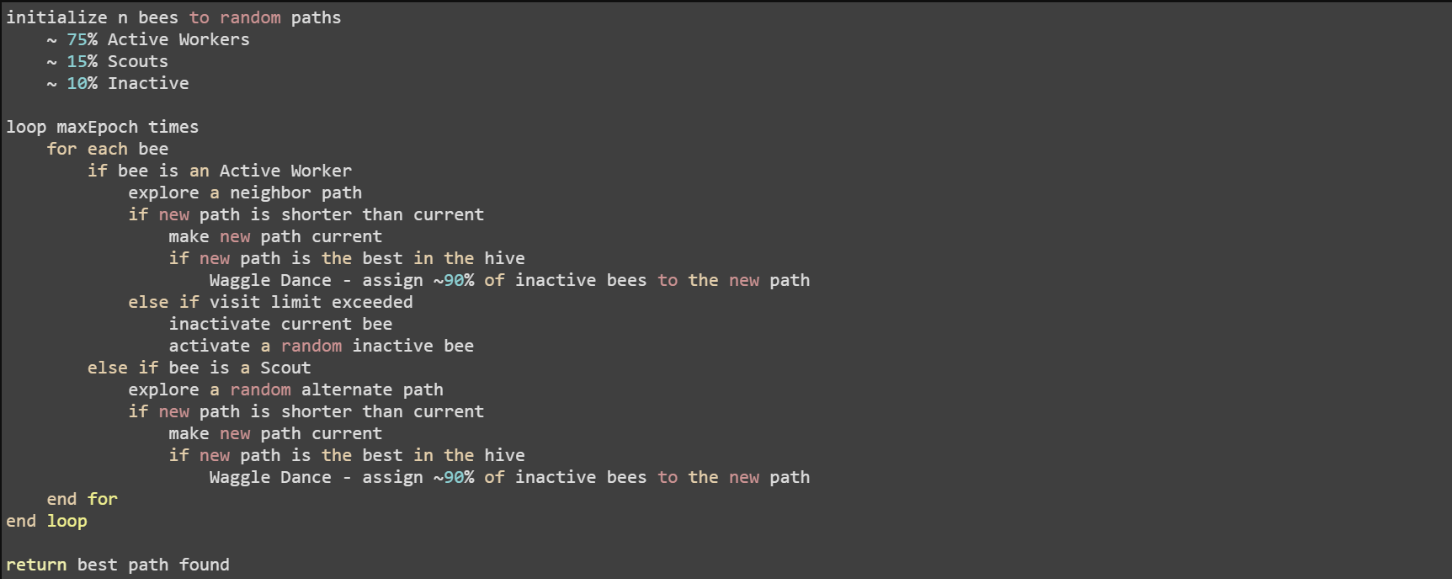
Bee Colony Optimization Psudocode.png
 

Bee Colony Optimization

  • Multiple Search types
    • Active Workers perform neighborhood search
    • Scouts perform random search
    • Best known path propogates
  • Tweaks
    • Number of each type of bee
    • Probability of persuasion
    • Visit limit
  • Features
    • Less Sensitive to Scale
    • Optimality not guaranteed
Bee Colony Optimization 800x800.jpg

Reducing Costs


Firefly Optimization

initialize n fireflies to random positions
loop maxEpochs times
  for each firefly i
    for each firefly j
      if intensity(i) < intensity(j)
        compute attractiveness
        move firefly(i) toward firefly(j)
        update firefly(i) intensity
      end for
    end for
  sort fireflies
end loop
return best position found
 

Firefly Optimization

  • Neighborhood Search
    • Search the area toward best known solution
    • Closer and Brighter: More Attractive
      • Similar to gravity
  • Tweaks
    • Number of fireflies
    • Range of possible values
    • How fast fireflies move
  • Features
    • Works better for linear problems
    • Optimality not guaranteed
    • Can suffer from sparseness problems
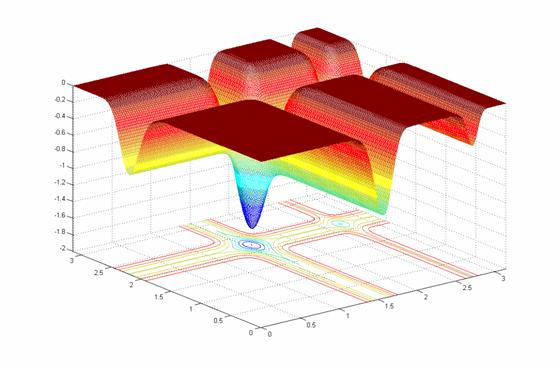
MichalewiczFunction.jpg


Amoeba Optimization

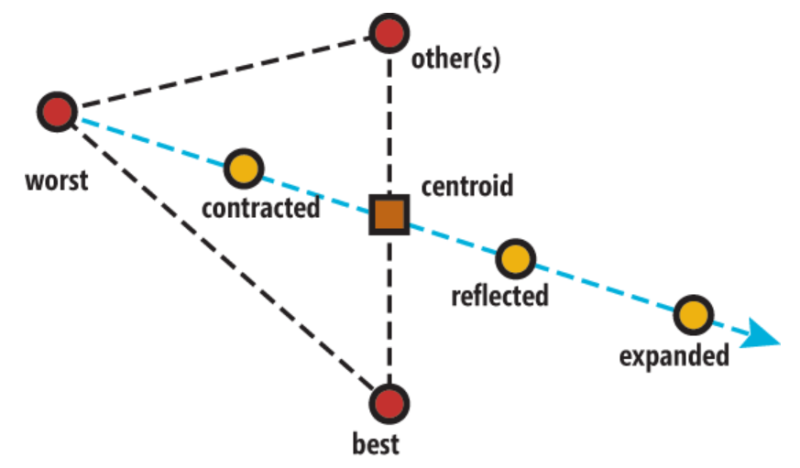
Amoeba Optimization - Solutions.png

Amoeba Optimization

initialize the amoeba with n (size) locations
loop maxEpochs times
    calculate new possible solutions
        contracted - midway between centroid and worst
        reflected - contracted point reflected across centroid
        expanded - beyond reflected point by a constant factor
    if any solution is better than the current
        replace worst value with best value from new solution
    else
        shrink (multiple contract) all lesser nodes toward the best
    increment epoch count
end loop
return best position found
 

Amoeba Optimization

  • Neighborhood Search
    • Start with random locations
    • Explore neighbors based on amoeba movement
    • Surround the solution, then contract to it
  • Tweaks
    • Size of the amoeba
      • > # of search dimensions
    • Number of executions
      • Handle local minima
  • Features
    • Optimality no guaranteed
    • Can suffer from sparseness problems
MichalewiczFunction.jpg

What Can We Do With This Stuff?

Gradient Descent

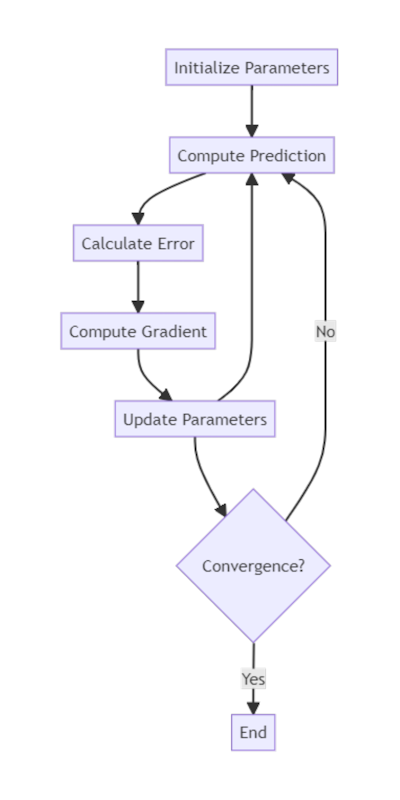
Optimization algorithm used to minimize the cost function of a model

  • Shifts the parameters in the opposite direction of the cost gradient

    • The 1st derivative of the cost function

    • Represents the slope of that function

  • Hyperparameters include:

    • Number of iterations

    • Learning rate

    • Convergence criteria

  • Stochastic Gradient Descent

    • Updates parameters using a subset of data each cycle
AI Models - Gradient Descent - 400x800.png

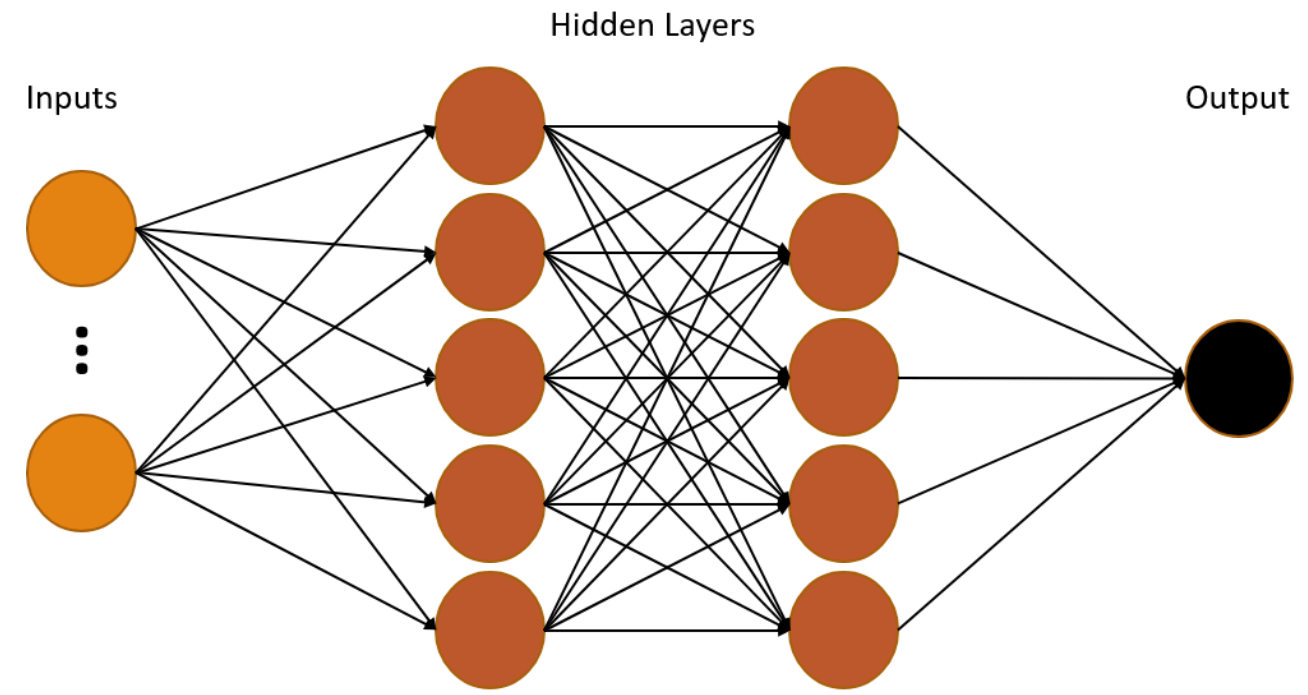
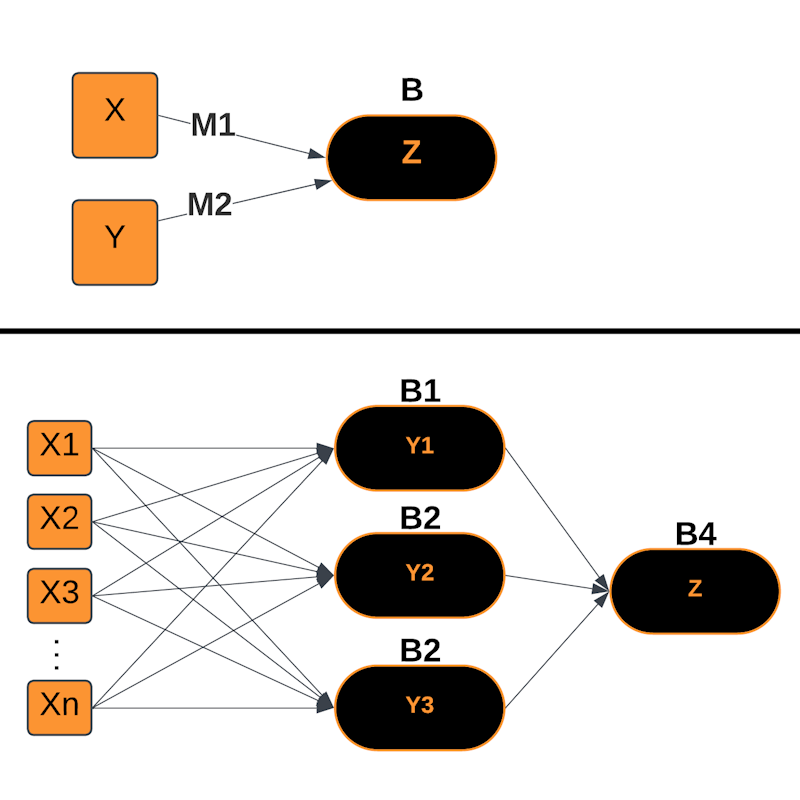
Deep Neural Networks

DNN.png


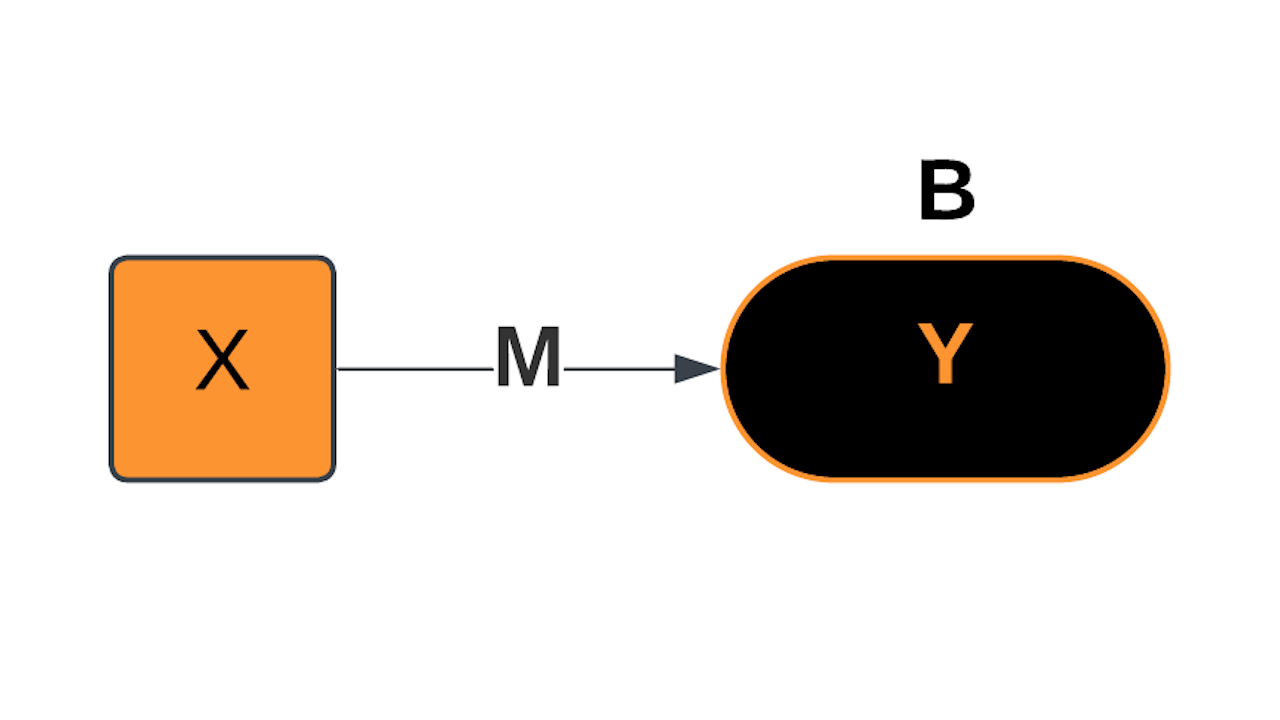
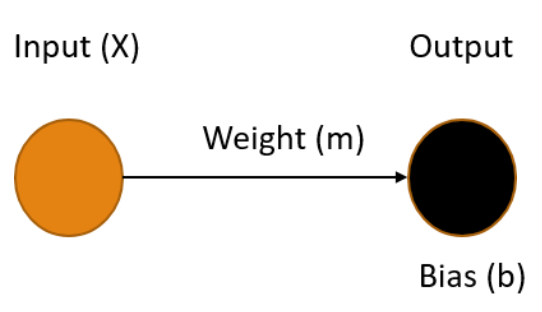
Linear Model

Component Details
Input Variable X
Output Variable Y
Weight Parameter M
Bias Parameter B
Linear Equation Y=mX+b
AI Models - Single Input Linear - 1280x720.png

ML's Linear Linchpin

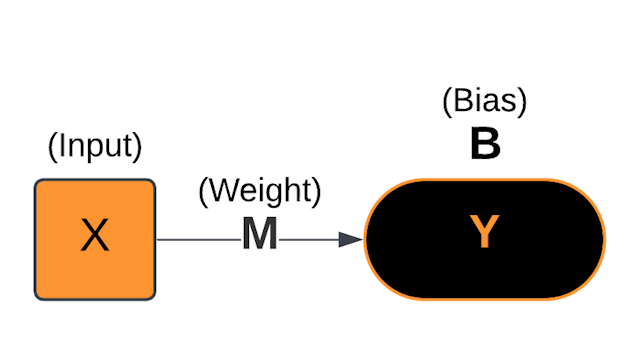
Y = mX + B

  • Every neuron gets its value from a linear transformation

  • Multiple inputs result in a sum of the linear transformations

    • The sum of a linear transformation is linear
  • Only linearly-separable functions can be modeled without a non-linear activation

AI Models - Annotated Single Input Linear - 640x360.png

Model Parameters

  • Parameters: Internal values learned during training

    • Define the relationship between input and output

    • Adjusted to minimize prediction error

  • In Linear Regression: Y = mX + b

    • m: Slope (Weight) - The influence of X on Y

    • b: Intercept (Bias) - Shifts the output vertically

  • In more complex models:

    • Counts include weights/biases across layers

    • Can capture non-linear relationships

    • Parameter counts are a proxy for complexity

    • GPT-4 uses roughly 1.8 trillion parameters

Model Parameters.png

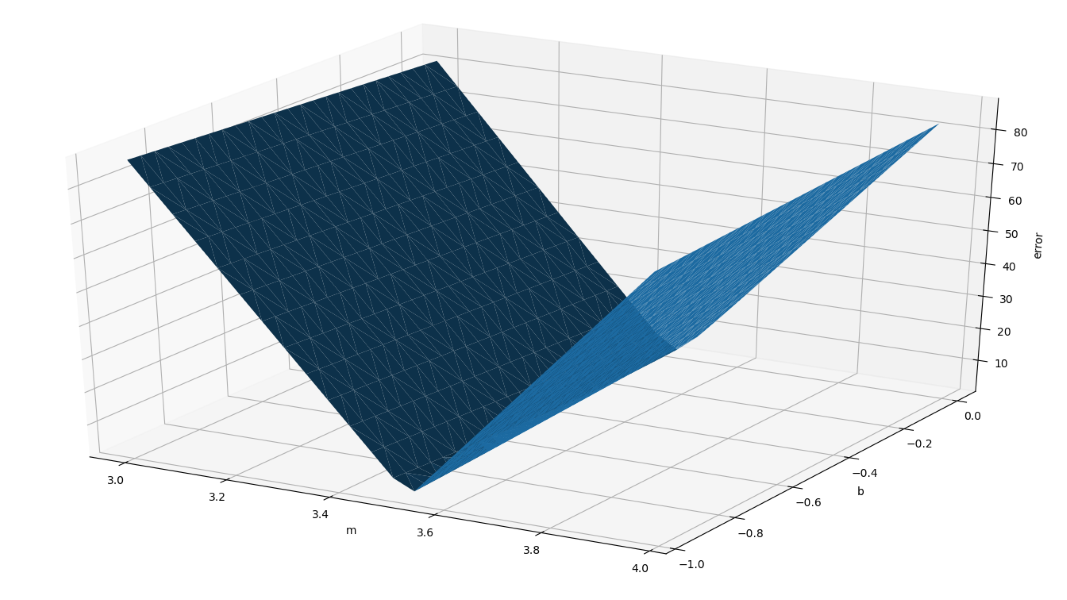
Error Function

  • X-Axis: The value of the weight (m)
  • Y-Axis: The value of the bias (b)
  • Z-Axis: The size of the error

The weight (m) often has a greater effect on the error than the bias (b)

Linear Regression - Error Function Plot - Smaller.png

Training the Model

  • Objective: Minimize the error
    • Error: The difference between the predicted value and the actual value
    • MSE: Mean Squared Error - Avg of the squared differences between predicted and actual
  • Means: Gradient Descent Optimization
    • Nearly any Optimization algorithm can be used
    • Gradient Descent is the most common/suited
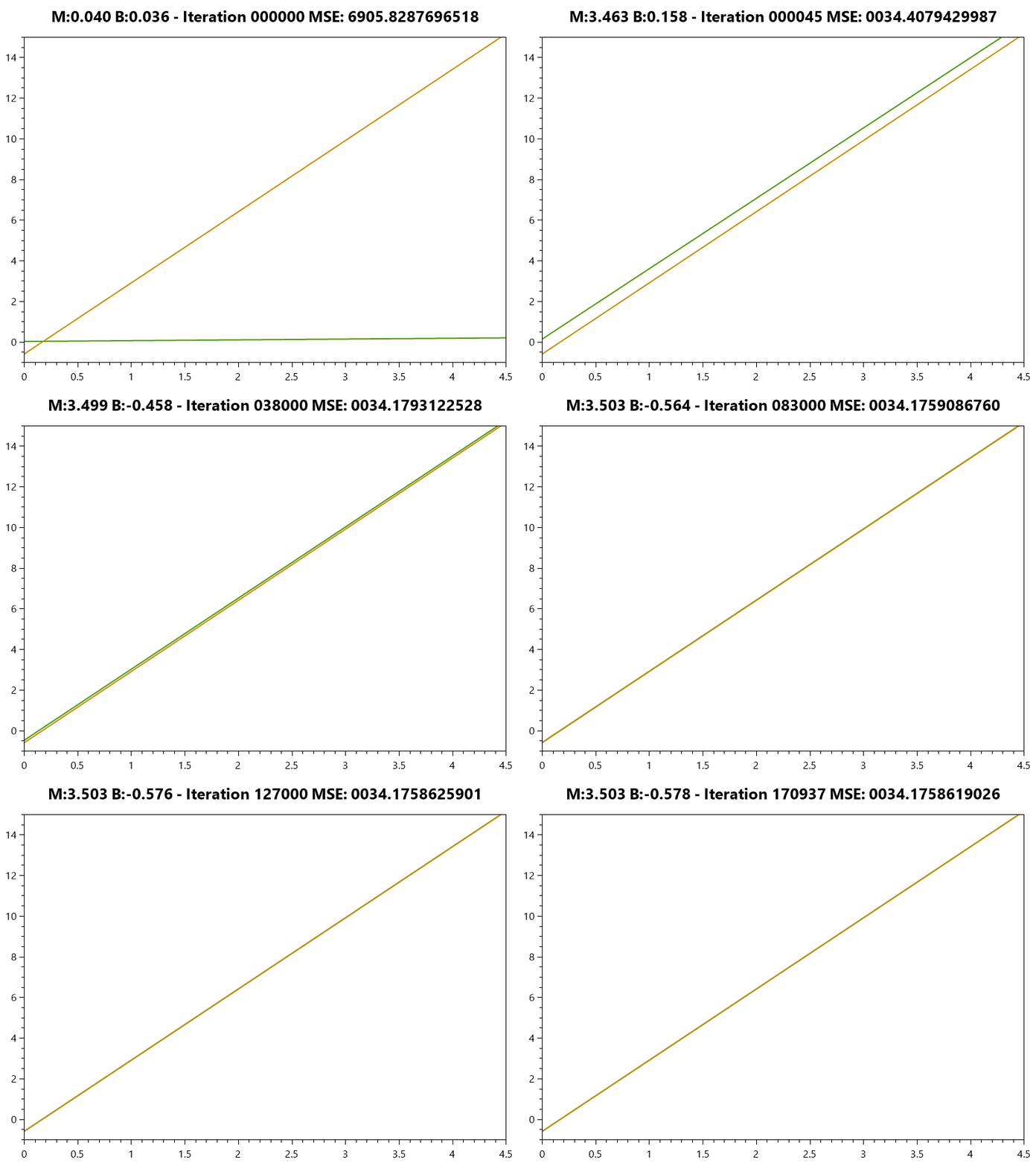
training_animation.gif

Linear Regression Demos

Linear Model Demos 800x800.jpg

Mathematics

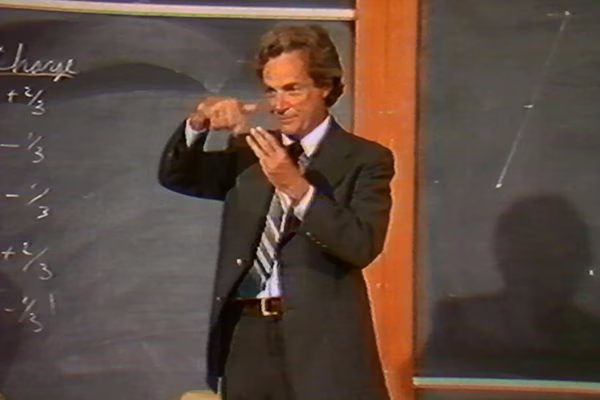
Feynman - QED - 600x400.png

...we've invented a fantastic array of tricks and gimmicks for putting together the numbers, without actually doing it. We don't actually [apply Y = Mx+B for every neuron] We do it by the tricks of mathematics, and that's all. So, we're not going to worry about that. You don't have to know about [Linear Algebra]. All you have to know is what it is, tricky ways of doing something which would be laborious otherwise.


With apologies to Professor Feynman, who was talking about the tricks of Calculus as applied to Physics, not the tricks of Linear Algebra as applied to Machine Learning.

Railroad Times Model

AI Models - Single Input Linear - 1280x720.png

Linear Regression Model

Predict the unknown values in a linear equation​

  • Given X (time), predict Y (location)​
    • Y = mX + b​
  • Find the best values for m and b
    • Minimize total error
Regression Model.png

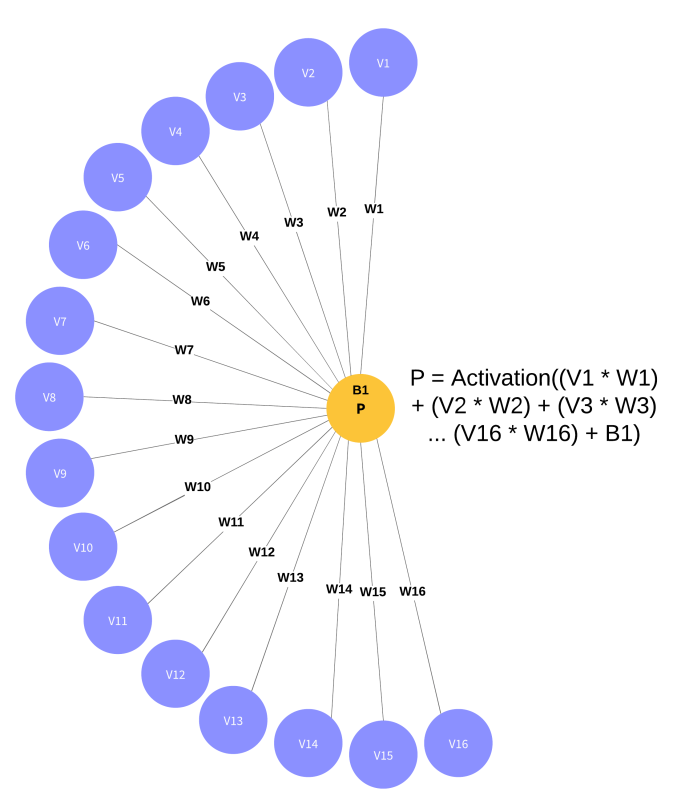
Voter Model

Voter Network Diagram - 673x800.png
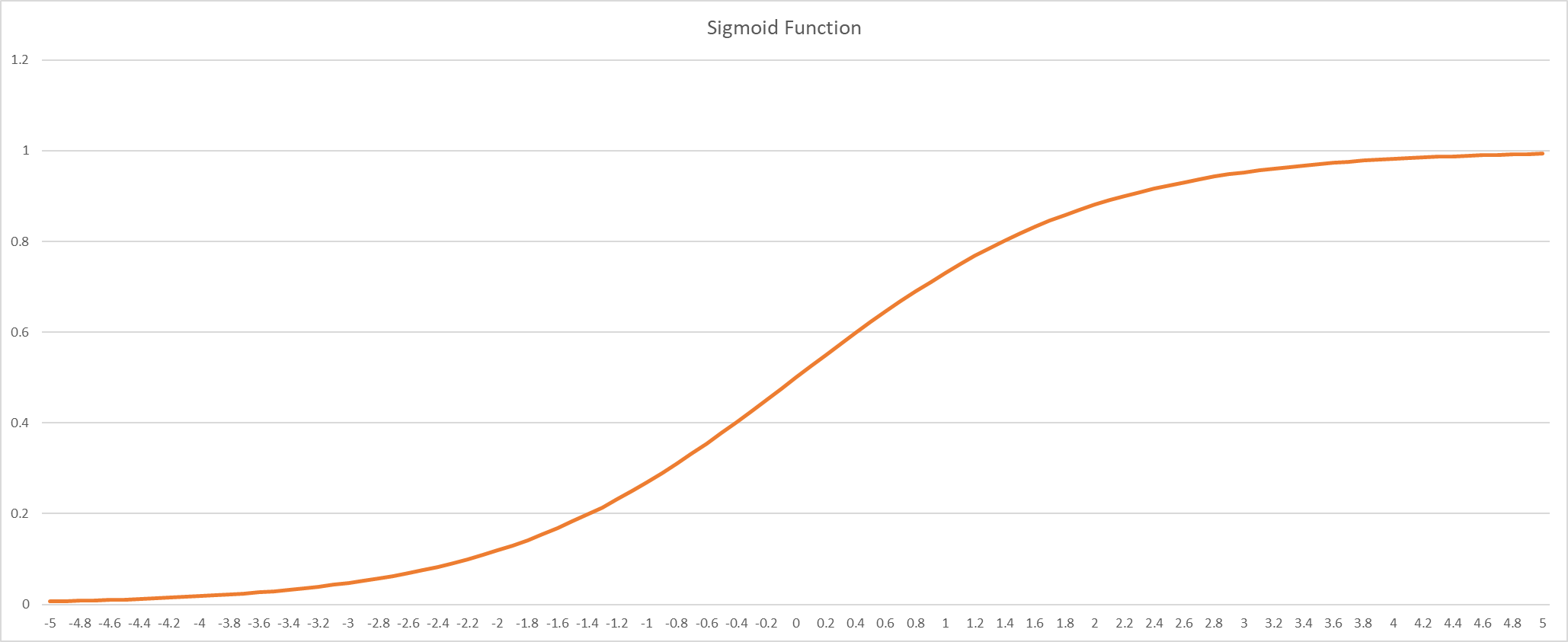
  Sigmoid Function.png
 

ML Demo

Using Amoeba Optimzation to Train an ML Model


More Bio-Inspired

  • Roach Infestation Optimization
  • Particle Swarm Optimization
  • Multi-Swarm (Birds) Optimization
  • Bacterial Foraging Optimization
More Algorithms 800x800.jpg

Solving Tractable Problems

  • Understand the Problem Deeply

    • Clarify inputs, outputs, constraints, and goals

    • Is optimality required? Can constraints be relaxed?

    • Identify if it can be broken into reusable parts?

  • Classify the Problem Type

    • Search? Optimization? Graph traversal? Dynamic programming candidate?

    • Are brute-force or exponential-time solutions feasible?

    • What tools do we have that can help? Can we buy vs build?

  • Implement and Test

    • Try a naive solution 1st

    • Use test cases to validate correctness and performance

    • Optimize as needed / Start over if necessary

Resources - Page 1

Amazing Algorithms - Short Workshop - QR.png

Resources - Page 2

Amazing Algorithms - Short Workshop - QR.png

Solving Your Problems

Would you like to try to model a problem from one of your domains?

Bonus Content

Linear Programming (LP) & Mixed-Integer Programming (MIP)

Use Case: Production Targets

  • Products​
    • Small Vase​
      • 1 oz. clay, 1 oz. glaze​
      • Sells for $3.00 each​
    • Large Vase​
      • 4 oz. clay, 2 oz. glaze​
      • Sells for $9.00 each​
  • Inventory​
    • Clay - 24 oz.​
    • Glaze - 16 oz.​
  • Goal
    • Maximize Revenue

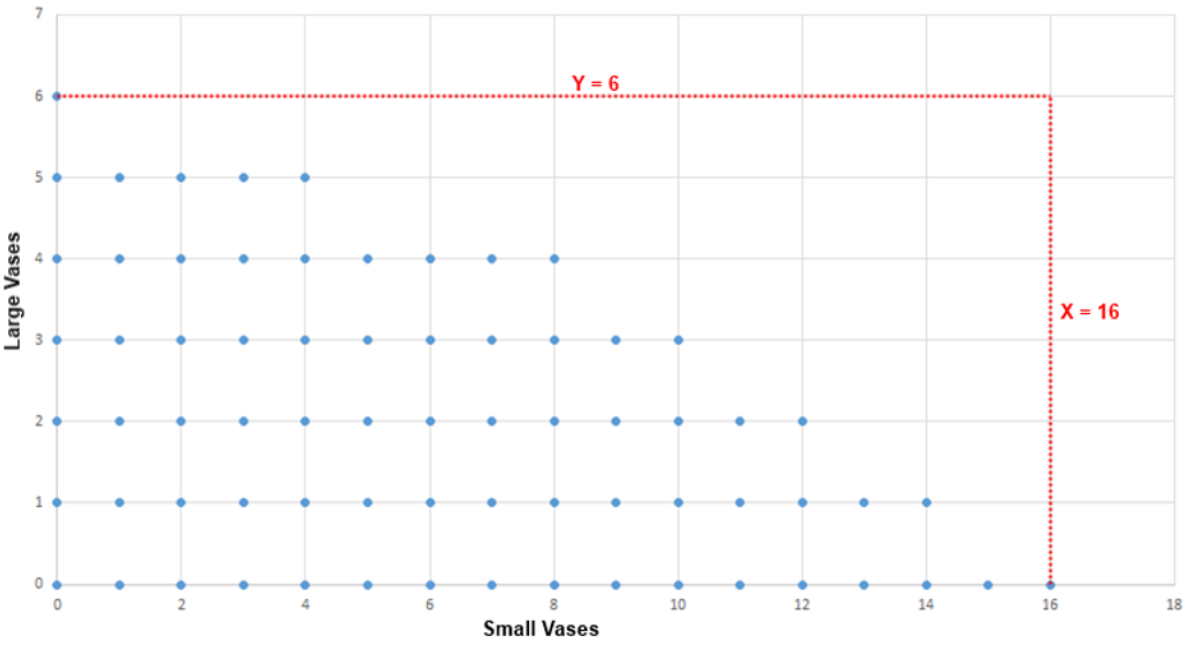
Solution Space

Solution Space Graph - With Feasible Solutions.png

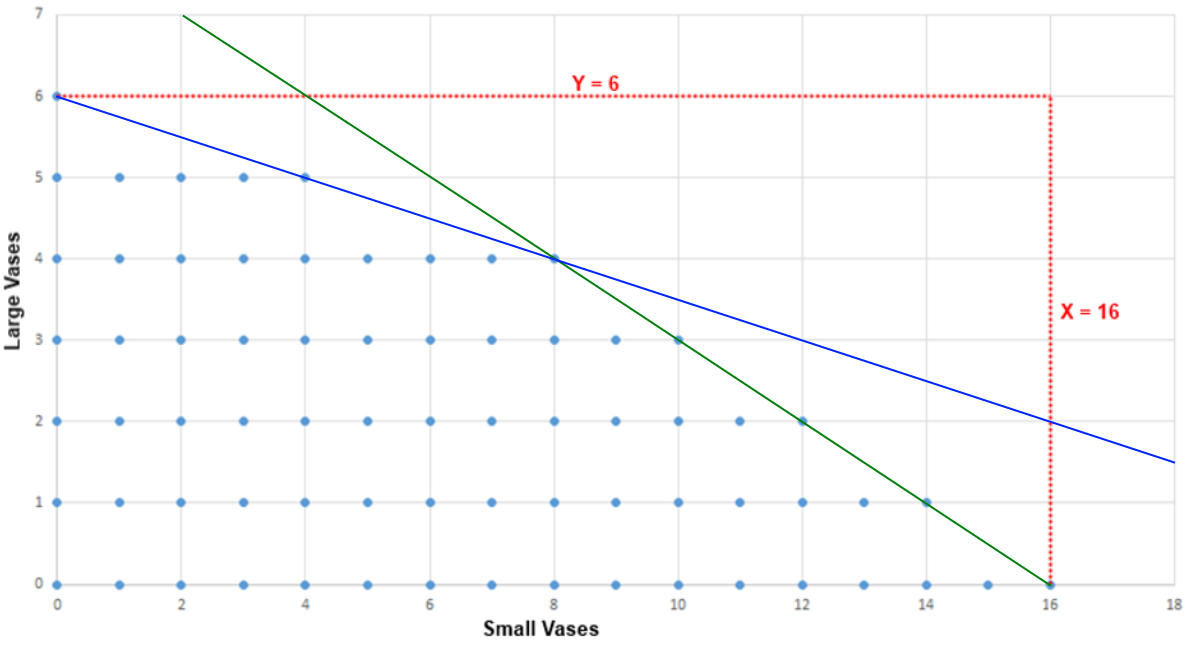
Constraint Equations

  • Clay Constraint
    • X + 4Y <= 24 ​
      • X <= 24 and Y <= 6​
  • Glaze Constraint
    • X + 2Y <= 16​
      • X <=16 and Y <= 8

Feasible Region

Solution Space Graph - With Feasible Solutions and Constraint Lines.png

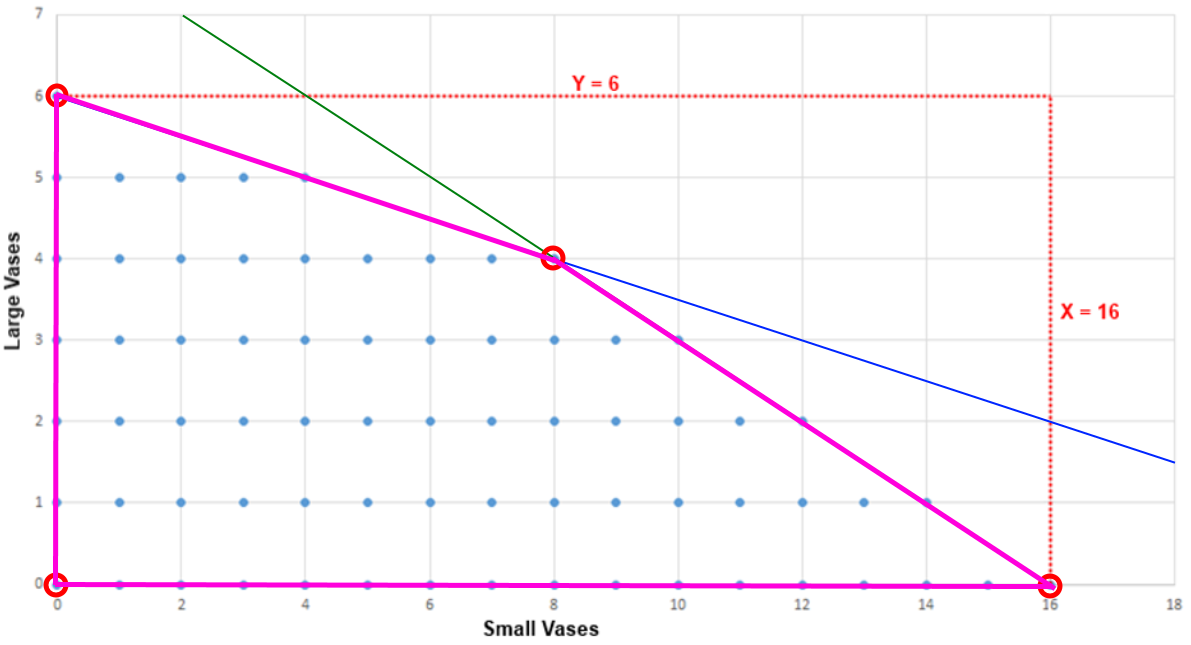
Linear Programming - Polytope

Solution Space Graph - With Polytope.png

Linear and Mixed-Integer Programming

  • Define Constraints that the Solution Must Satisfy​
    • Use these constraints to limit the search space​
      • More constraints = smaller search space
        • Solutions that exist are found faster
        • May not find a feasible solution
  • Add an Objective Function to Improve Solutions​
    • All constraints must be satisfied first​
    • Objectives are a goal relative to an equation​
      • i.e. Maximize revenue where r = 3X + 9Y

Search/Optimization Models

george-bernard-dantzig.jpg

George Dantzig - Creator of the Simplex Algorithm